
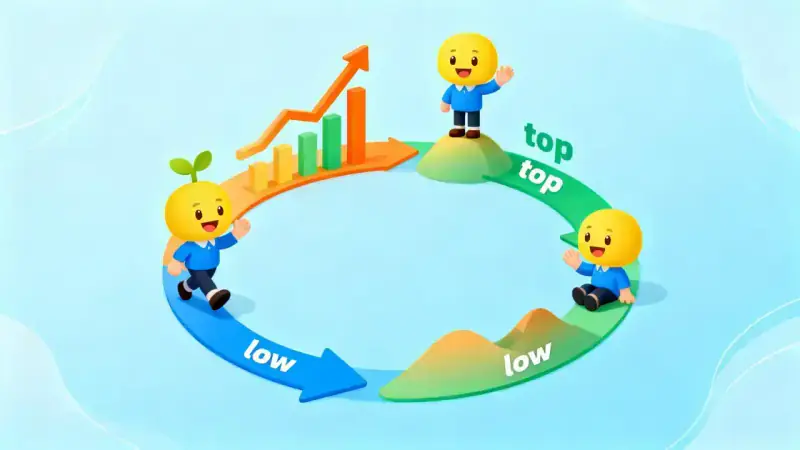
The economic cycle basics are crucial for understanding how economies fluctuate over time. Different phases bring various opportunities and challenges for everyone. Knowing these cycles helps you make informed decisions.
From expansion to contraction, each phase affects businesses and consumers alike. Recognizing patterns can help you navigate through financial ups and downs. Stay ahead of changes in the economy.
Curious about how to anticipate economic shifts? Keep reading to discover the secrets behind the economic cycle!
What is the Economic Cycle?
The economic cycle is the pattern of growth and decline in an economy over time. It shows how economies move through different phases, impacting everything from jobs to prices. Understanding this cycle is crucial for businesses and families alike.
There are four main phases in the economic cycle: expansion, peak, contraction, and trough. During expansion, the economy grows, and people spend more money. At the peak, economic growth reaches its highest point, which is often followed by a decline.
As the cycle continues, the economy enters a contraction phase, where growth slows down and sometimes leads to a recession. Finally, the trough is the lowest point, where things begin to improve again. Knowing these phases helps you prepare for changes and make smart financial choices.
Phases of the Economic Cycle
The phases of the economic cycle include expansion, peak, contraction, and trough. Each phase has distinct characteristics that influence how the economy functions. Understanding these phases helps people grasp the dynamics of economic growth and decline.
During expansion, the economy thrives. More jobs are created, businesses grow, and consumer spending increases. This positive environment can last for several months or even years, leading to greater profits and higher incomes.
At the peak, growth reaches its maximum point, often causing businesses to operate at full capacity. However, after this high point, the economy may start to decline, entering the contraction phase. This phase often means slowing sales, less hiring, and sometimes job losses. Finally, the trough marks the lowest point before recovery begins, leading to renewed economic growth.
Indicators of Economic Expansion
Indicators of economic expansion signal when the economy is growing and doing well. One key indicator is an increase in gross domestic product (GDP). When the GDP rises, it means that businesses are producing more goods and services, which often leads to more job opportunities.
Another important indicator is the rise in consumer spending. When people feel confident about their jobs and financial security, they tend to spend more money. This boosts sales for businesses and encourages them to invest in new projects, creating even more jobs.
Additionally, low unemployment rates are a strong sign of economic expansion. As companies hire more workers to meet rising demand, more people have jobs. This puts more money in circulation, further spurring growth and helping the economy thrive even brighter.
Signs of Economic Contraction
Signs of economic contraction can show that the economy is slowing down. One clear sign is a decline in gross domestic product (GDP). When GDP drops, it means that businesses produce fewer goods and services, indicating a drop in economic activity.
Another significant sign is rising unemployment rates. When companies start to struggle, they may need to lay off workers or freeze hiring. This loss of jobs leads to less money in people’s pockets and decreases consumer spending.
Lastly, a reduction in consumer confidence often signals economic contraction. If people are worried about the future, they tend to spend less money. This decrease in spending can create a cycle that further deepens the economic downturn, affecting families and businesses alike.
Impact of Government Policies
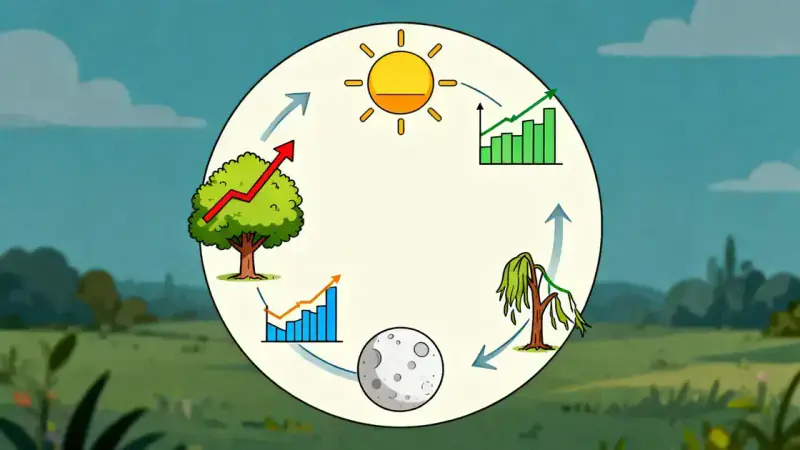
The impact of government policies can greatly influence the economic cycle. When the government changes rules or provides support, it can help boost the economy or slow it down. For instance, cutting taxes can give people more money to spend, which encourages businesses to grow.
On the other hand, tighter regulations can lead to slower economic growth. If businesses face more rules and higher taxes, they may cut back on hiring and spending. This can lead to less expansion and even economic contraction. The balance of these policies plays a key role in shaping the economy.
Additionally, government spending on infrastructure and social programs can stimulate growth. By investing in roads, schools, and healthcare, the government creates jobs and improves communities. This investment often leads to a healthier economy and better quality of life for everyone.
Role of Consumer Confidence
The role of consumer confidence is crucial in shaping the economy. When people feel good about their financial situation, they are more likely to spend money. This spending drives businesses to grow and hire more workers, creating a positive cycle of economic expansion.
On the other hand, if consumer confidence drops, people tend to hold back on spending. They may worry about losing their jobs or facing tough economic times. This decrease in spending can lead to slower growth for businesses and may even push the economy into a contraction phase.
Understanding consumer confidence can help track economic health. Surveys and reports measure how optimistic or pessimistic people feel about their financial futures. By paying attention to these indicators, businesses and policymakers can make better decisions to support a thriving economy.
How to Prepare for Economic Changes
Preparing for economic changes is essential for both individuals and businesses. One way to get ready is by creating a budget. This budget should focus on saving money for emergencies. Having a financial cushion helps people cope better during tough times, like job losses or unexpected expenses.
Another important step is staying informed about economic trends. Following news and reports helps you understand what changes may come. Whether it’s new government policies or shifts in consumer behavior, being knowledgeable allows you to adjust your plans accordingly.
Finally, diversifying income sources can also be beneficial. If you have a job, consider exploring side gigs or investments. This way, if one source of income is affected, you will still have other options to rely on. Preparing in these ways can help you navigate the ups and downs of the economy.