
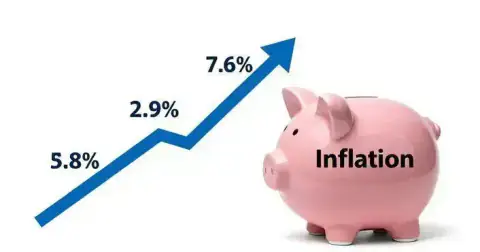
Effects of inflation on household budgets can be significant. Families face rising prices that challenge their financial stability. Understanding these effects is crucial for better financial planning.
Increased costs mean that households need to adjust their spending habits to maintain their standard of living. This adjustment often leads to difficult choices about essentials and luxuries.
Keep reading to discover practical strategies that can help you manage your budget effectively during inflationary times.
Understanding Inflation and Its Causes
Inflation is the rate at which prices for goods and services rise, causing money to lose its purchasing power. When inflation goes up, the value of every dollar decreases, making it harder for families to buy what they need. This can lead to stress as budgets tighten and the cost of living increases.
Several factors cause inflation, including high demand for products, increased production costs, and changes in government policies. When the economy grows, people spend more money, which can drive up prices. Additionally, when material costs rise, businesses often pass those costs onto consumers.
Understanding these causes helps households prepare for inflation. By knowing how inflation works, families can adjust their budgets and spending habits to manage the effects on their finances more effectively.
Impact of Inflation on Household Spending
The impact of inflation on household spending can be significant and felt in many ways. As prices rise, families find that their grocery bills, utility costs, and everyday expenses increase. This can make it challenging for households to stick to their budgets, leading to tough choices about what to buy and what to prioritize.
When inflation affects spending, many families may cut back on non-essential items. For example, eating out or buying new clothes may become less frequent. Instead, they focus on necessities, which can change their shopping habits and lower their overall quality of life.
Understanding how inflation impacts spending helps families plan better. By being aware of rising costs, households can adjust their budgets and find new ways to save money. This proactive approach allows them to manage their finances more effectively during inflationary periods.
Strategies to Manage Inflation Effects
One effective strategy to manage the effects of inflation is to create a detailed budget. By tracking all income and expenses, families can see where their money is going. This approach helps identify areas where they can cut back, allowing them to prioritize essential purchases over non-essentials.
Another useful strategy is to shop smart. Families can look for sales, use coupons, and compare prices. Buying in bulk or choosing generic brands can also lead to significant savings. These small changes in shopping habits can make a big difference in managing a household budget during times of inflation.
Investing in energy-efficient appliances is also a wise long-term strategy. While the initial cost may be higher, these appliances often save money by reducing utility bills. Families can lower their daily expenses and combat rising costs by making smarter energy choices.
Adjusting Budgets During Inflation
Adjusting budgets during inflation is crucial for families to maintain control over their finances. As prices for everyday items rise, it’s important to revisit and modify the budget regularly. This allows families to see where they can save money and what areas need more attention.
One way to adjust a budget is to categorize expenses into fixed and variable costs. Fixed costs, like rent and utilities, are generally stable. However, variable costs, such as groceries and entertainment, can be more flexible. By focusing on cutting back variable expenses, families can offset the increased cost of necessities.
Another effective method is to prioritize essential needs over wants. Families should evaluate their spending habits and identify what is truly necessary. By eliminating non-essential items and redistributing funds to vital areas like food and healthcare, households can navigate financial challenges more smoothly during inflationary periods.
Long-term Effects of Inflation on Savings
The long-term effects of inflation on savings can be quite significant. As prices rise, the value of saved money can decrease, meaning that people may not be able to afford as much in the future with the same amount of savings. This can lead to a feeling of financial insecurity and may impact how people save for their future needs.
Inflation can also affect interest rates on savings accounts. When inflation is high, banks may offer higher interest rates, but these often do not keep pace with rising prices. If the interest earned on savings is lower than the inflation rate, the real value of those savings is effectively shrinking over time.
To combat these long-term effects, it is important for families to invest their savings wisely. Instead of just keeping money in standard savings accounts, exploring options like stocks or bonds may provide a better way to outpace inflation. This proactive approach can help families protect their savings and maintain their purchasing power.
Inflation’s Role in Economic Decisions
Inflation plays a crucial role in economic decisions made by families and businesses. When inflation rates rise, the cost of goods and services increases, prompting consumers to rethink their spending habits. Families might hold off on major purchases, such as new cars or vacations, until they feel more secure about prices stabilizing.
For businesses, inflation affects how they price their products and manage expenses. Companies may need to raise prices to keep up with increased costs, which can lead to a cycle of inflation. This can make it harder for them to predict future earnings, impacting their long-term planning and investment decisions.
Moreover, inflation influences interest rates set by banks. Higher inflation often leads to higher interest rates, affecting loans and mortgage payments. Families might reconsider taking out loans or buying homes, as borrowing money becomes more expensive. Overall, understanding inflation is key to making informed economic decisions.
Case Studies on Household Budgets During Inflation
Case studies on household budgets during inflation show real examples of how families adjust their spending. For instance, in 2022, the Martin family faced a 6% increase in prices for everyday goods. To cope, they began planning meals based on sales and using coupons, which helped them save a significant amount on groceries each month.
Another example is the Nguyen family, who decided to reduce their entertainment budget when inflation rose. They started hosting game nights at home instead of going out, which allowed them to enjoy quality family time while saving money. This choice helped them stay within their budget and pay for necessities like fuel and groceries.
Lastly, the Garcia family shifted their savings strategy during inflation. Instead of keeping money in a low-interest savings account, they looked for higher-yield investment options. This change allowed them to make their savings work harder for them, helping to offset some of the effects of rising prices over time.