
Inflation affects your wallet by increasing the prices of goods and services, leading to a decrease in purchasing power and reducing the value of savings. To protect yourself, consider diversifying investments and adjusting your budget to cope with rising costs.
How inflation affects your wallet is a crucial topic in today’s economy. As prices rise, the money you have doesn’t stretch as far as it used to. This article will delve into the basics of inflation, how it impacts your purchasing power, and practical strategies to protect your savings and financial well-being in an uncertain economic landscape.
The Basics of Inflation
Inflation refers to the rate at which the general level of prices for goods and services rises, and subsequently, purchasing power falls. It is a critical concept that affects everyone, influencing how much we pay for everyday items like groceries, gas, and even housing.
Understanding Inflation Rates
The inflation rate is measured by the Consumer Price Index (CPI), which tracks the prices of a selected group of goods and services over time. When the CPI increases, the purchasing power of your dollar decreases, meaning you can buy less with the same amount of money.
Causes of Inflation
There are several factors that can lead to inflation, including:
- Demand-Pull Inflation: This occurs when demand for goods and services exceeds supply. It often happens in a growing economy and can lead to higher prices.
- Cost-Push Inflation: This type of inflation happens when the cost of production rises, leading manufacturers to increase prices in order to maintain profit margins.
- Built-In Inflation: This results from past inflationary trends causing a general expectation of rising prices. Workers demand higher wages, which in turn leads to increased costs for businesses.
The Importance of Understanding Inflation
Knowing the basics of inflation helps you make informed financial decisions. As inflation rises, your money’s value diminishes, affecting your savings and spending habits. Understanding how it works prepares you to adapt your financial strategy to reduce its impact on your wallet.
How Inflation Impacts Purchasing Power
Purchasing power refers to the amount of goods and services that can be bought with a unit of currency. When inflation occurs, it essentially reduces your purchasing power, meaning that your money buys less than it did before.
The Relationship Between Inflation and Purchasing Power
When inflation rises, the prices of everyday items such as food, housing, and gasoline tend to go up. If your income does not increase at the same rate as inflation, you will find that your purchasing power decreases. For example, if your salary remains the same but prices rise, you can afford fewer items than in the past.
Everyday Examples
Let’s look at some practical examples:
- If a loaf of bread costs $2 today, but inflation causes it to rise to $2.20 next year and your paycheck stays the same, you are effectively losing some of your ability to buy bread with that money.
- If gas prices spike from $3 to $4 per gallon, your weekly travel expenses increase. If your income doesn’t rise, you may need to cut back on other expenses.
Impact on Long-Term Financial Goals
Not only does inflation affect your daily spending, but it can also impact your long-term financial goals. Savings accounts may yield low interest rates that do not keep up with inflation. Therefore, if you save $1,000 today, it may not hold the same value in five or ten years, affecting your ability to purchase what you planned.
Adjusting to Inflation Effects
It is crucial to understand how inflation affects your purchasing power so you can make informed decisions. Adjust your budgeting and spending habits based on current inflation trends to maintain financial health.
The Effects of Inflation on Savings
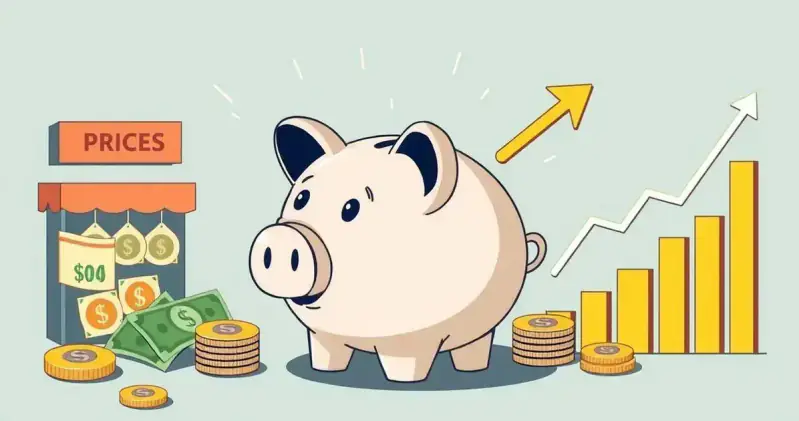
The effects of inflation on savings can be significant and often alarming. When prices increase, the value of money saved in a bank account may decrease if the interest earned doesn’t keep pace with inflation.
Loss of Purchasing Power
Savings accounts typically offer low-interest rates. If the inflation rate is higher than the interest rate, your savings lose value over time. For instance, if you have $1,000 saved, but inflation rises by 3% while your interest rate is only 1%, you lose purchasing power each year.
Impact on Emergency Funds
Many people save for emergencies, but high inflation can erode the effectiveness of these funds. If prices rise steeply, the amount saved for emergencies may not cover necessary expenses. For example, if you have $5,000 saved, but inflation leads to significant price increases in healthcare or repairs, that amount may not suffice when you need to spend it.
Real Returns on Savings
The concept of real returns is essential. Real returns are the nominal return on an investment minus the inflation rate. If your bank gives you a 2% interest rate, but the inflation rate is 3%, your real return is -1%. This means that your savings are effectively losing value.
Choosing Smart Savings Options
To combat the effects of inflation on savings, consider exploring alternative savings options like high-yield savings accounts or investment accounts. These may offer better interest rates that keep up with or exceed inflation.
Strategies to Protect Your Wallet from Inflation
To protect your wallet from inflation, it’s essential to adopt proactive strategies. Here are several effective methods to help safeguard your finances against rising prices.
Diversify Your Investments
Diversifying your investments can help manage risks associated with inflation. Consider allocating your funds across different asset classes, such as stocks, bonds, and real estate. This way, if one sector underperforms due to inflation, others may perform better, balancing your overall returns.
Invest in Commodities
Commodities like gold, silver, and oil often retain their value during inflationary periods. Investing in these tangible assets can act as a hedge against inflation, as they typically rise in value when the cost of living increases.
Utilize High-Interest Savings Accounts
Seek out high-interest savings accounts or certificates of deposit (CDs) that offer better interest rates than traditional savings accounts. These can help your money grow at a rate that may keep pace with or outstrip inflation.
Review and Adjust Your Budget
Regularly reviewing and adjusting your budget is vital. Identify non-essential expenses that can be trimmed, allowing you to allocate more funds towards savings and investments that work against inflation.
Consider Inflation-Protected Securities
Investing in treasury inflation-protected securities (TIPS) can provide a safeguard during inflationary times. TIPS are government bonds that increase in value as inflation rises, helping preserve your purchasing power over time.
Future Predictions for Inflation and Wallet Impact
Future predictions for inflation can significantly impact how we manage our wallets today. Economists analyze various data to forecast inflation trends, which can help individuals and families prepare for what’s to come.
Expected Inflation Trends
Based on current economic indicators, some experts predict inflation rates will stabilize but remain above historical averages. This could mean that prices will keep rising, affecting daily expenses and savings.
Impacts on Cost of Living
As inflation continues, the cost of living is likely to increase. Essential goods such as food, energy, and housing will be more expensive, putting additional pressure on household budgets and reducing disposable income.
Wage Growth vs. Inflation
Another factor to consider is wage growth. If wages do not keep up with inflation, many people will experience reduced purchasing power in the future. This could affect spending habits and financial planning.
Investment Strategies Going Forward
In light of inflation forecasts, individuals may need to reconsider their investment strategies. Long-term investments in stocks, real estate, and commodities may become more attractive to counteract the impacts of inflation.
The Importance of Financial Literacy
Finally, enhancing financial literacy will be crucial. Understanding economic indicators, personal finance management, and investment options can empower individuals to make informed decisions, helping protect their wallets against future inflation.
FAQ – Frequently Asked Questions About Inflation and Your Wallet
What is inflation?
Inflation is the rate at which the general level of prices for goods and services rises, decreasing the purchasing power of money.
How does inflation affect my purchasing power?
As inflation increases, the same amount of money will buy fewer goods and services, effectively reducing your purchasing power.
What are some signs of rising inflation?
Common signs include increased prices for everyday items like groceries, gas, housing, and higher costs for services.
How can I protect my savings from inflation?
Consider diversifying your investments, utilizing high-interest savings accounts, or investing in commodities that tend to hold value during inflation.
What should I do if my income doesn’t keep up with inflation?
Review and adjust your budget, cut unnecessary expenses, and explore opportunities for additional income or better-paying jobs to cope with rising costs.
Are there any inflation-protected investment options?
Yes, consider Treasury Inflation-Protected Securities (TIPS) or commodities as ways to hedge against inflation.