
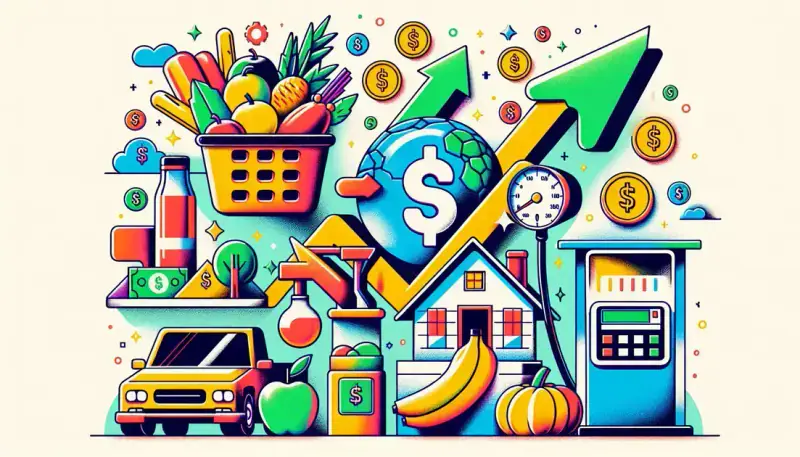
Inflation Impact on Everyday Expenses is something most people feel long before they see it explained in the news. Prices slowly creep up, receipts get longer, and suddenly your usual budget doesn’t stretch as far as it used to. It’s a quiet change, but one that affects daily decisions more than we often realize.
From groceries to gas, inflation shows up in small but constant ways. What used to feel affordable can start to feel tight, forcing adjustments in spending habits and priorities. Understanding why this happens makes it easier to regain a sense of control instead of feeling caught off guard.
If you’ve noticed your money disappearing faster than before, you’re not alone. Learning how inflation works and where it hits hardest can help you make smarter choices going forward. Keep reading to see how these changes shape everyday costs and what you can do about them.
Understanding Inflation
Understanding inflation begins with recognizing how prices increase over time. When we say that something is inflating, it means that the cost of goods and services is rising. This can happen for many reasons, such as increased demand, rising production costs, or changes in the economy. As prices rise, our money buys less than it used to.
Inflation affects everyday life in many ways. For example, when grocery prices go up, you may notice that your weekly shopping bill is higher. This shift means that you might have to change your spending habits. Preparing meals at home or looking for sales can help save money despite rising costs.
It is important to keep an eye on inflation rates because they show how much prices have increased over time. This way, you can better plan your budget and know how much your income needs to stretch. Staying informed helps you navigate the challenges that inflation brings, especially for essential expenses.
How Inflation Influences Prices
Inflation influences prices by causing them to rise, which affects everything we buy. When the economy grows, more people want to buy things. This high demand can push prices up. For example, if a lot of people want a new video game, the price might go up because many are willing to pay more to get it.
Another way inflation influences prices is through the cost of materials. When businesses pay more for raw materials, they often pass that cost onto customers. For instance, if steel prices rise, the cost of cars and appliances may increase as manufacturers try to maintain their profits.
Inflation can also cause changes in wages. As prices rise, workers may ask for higher pay to keep up with their living costs. When wages increase, businesses might raise their prices even more to cover higher labor costs. This cycle of price and wage increases can create a steady climb in costs for everyone.
Effects on Grocery Bills
The effects of inflation on grocery bills are noticeable for many families. As prices for food items rise, shoppers often find that their weekly trips to the store cost more. This increase can make it harder to stick to a budget, as essential items like milk, bread, and vegetables become pricier.
Inflation impacts not only the price of fresh produce but also packaged goods. Many manufacturers increase their prices in response to higher production costs, which can include everything from transportation to packaging materials. This means that customers may pay more for snacks, cereals, and frozen meals, contributing to a higher total bill.
As grocery bills rise, consumers often change their shopping habits. People might buy less or choose cheaper options to save money. Some families may turn to store brands instead of name brands or buy in bulk when items are on sale. These adjustments can help manage a tight budget, but the ongoing effects of inflation make it challenging to keep food costs down.
Transportation Costs and Inflation
Transportation costs are heavily influenced by inflation, which affects how much we pay for fuel and travel. When inflation rises, gas prices often follow suit. This increase can squeeze budgets, especially for families that rely on driving to work, school, and other activities. It’s not just filling up the tank that costs more; delivery charges for online orders can also rise due to increased transportation expenses.
Additionally, public transportation fares are likely to go up as well. When fuel prices increase, bus and train services may raise their ticket prices to cover higher operating costs. As a result, daily commuters could find themselves spending more on transportation, impacting their overall monthly expenses.
To cope with rising transportation costs, many people begin to seek alternatives. Carpooling, biking, or using public transport more frequently can help save money. Some may even consider purchasing more fuel-efficient vehicles to reduce their gas expenses. These changes show how inflation can influence not just prices but also our behavior regarding transportation.
Housing Expenses During Inflation
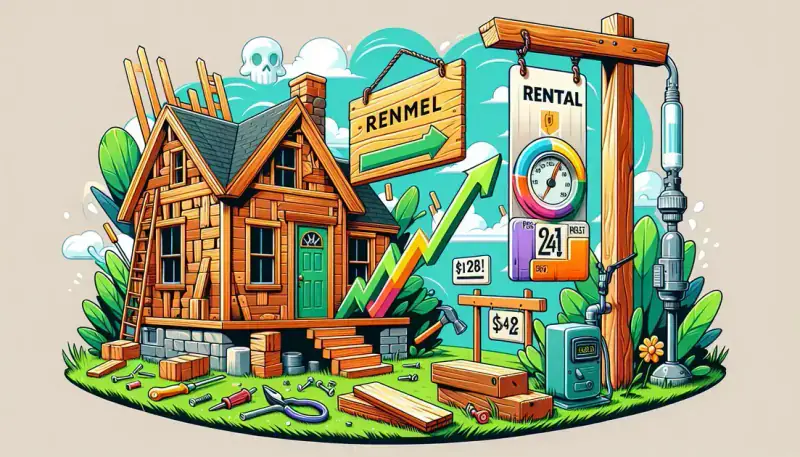
Housing expenses often rise during times of inflation, making it harder for families to find affordable places to live. Rent prices can increase as landlords need to keep up with rising costs for maintenance and property taxes. As a result, many renters might face higher monthly payments, forcing them to make tough choices about their budgets.
Homeownership costs can also be affected by inflation. When construction materials like wood and steel become more expensive, builders pass those costs on to buyers. This means that those looking to buy a home may find prices increasing, making it more difficult for first-time buyers to enter the market and for existing homeowners to move up.
In addition to rent and mortgage payments, utility costs can rise during inflation. Higher gas prices can lead to increased heating bills in winter, while electricity costs might also climb. To manage these rising expenses, households may try to conserve energy, such as by using less heating or switching to energy-efficient appliances, while keeping a close eye on their overall spending.
Strategies to Manage Rising Costs
Managing rising costs requires careful planning and smart choices. One effective strategy is to create a budget that covers all essential expenses, such as food, housing, and transportation. By tracking spending, families can identify areas where they can cut back, like dining out or buying less expensive brands. This awareness can help keep overall costs down during inflation.
Buying in bulk is another great way to save money. When people purchase larger quantities of items, they often enjoy lower prices per unit. This approach works well for non-perishable goods like rice, canned goods, and household supplies. By stocking up during sales, families can minimize their costs for essential items over time.
Switching to energy-efficient appliances can also help reduce monthly bills. These appliances lower electricity and gas usage, which can save money in the long run. Additionally, making simple changes, like using LED light bulbs or unplugging devices when not in use, can lead to small savings that add up. These strategies, combined, can help households manage rising costs effectively.
Economic Indicators of Inflation
Economic indicators of inflation help us understand how prices change over time. One key indicator is the Consumer Price Index (CPI), which measures the average change in prices for a basket of goods and services that people typically buy, such as food, clothing, and housing. When the CPI goes up, it indicates that inflation is rising, meaning people may have to spend more money for the same products.
Another important indicator is the Producer Price Index (PPI), which tracks the changes in prices that producers receive for their products. When producers pay more for raw materials or labor, they might increase prices for consumers. This can create a ripple effect, leading to higher prices across the economy that affect our everyday expenses.
Lastly, wage growth is another indicator to watch. If wages increase but inflation rises faster, people feel the pinch in their wallets. This means even if we earn more, our money may not stretch as far due to rising costs. Understanding these economic indicators helps us see the bigger picture of inflation and plan our finances accordingly.