
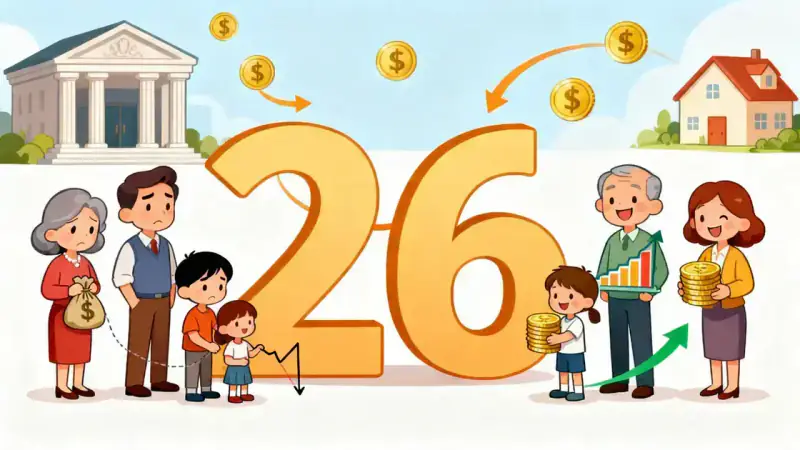
Interest Rate Effects on Consumers can influence everything from monthly bills to long-term financial plans. Even small changes in interest rates may affect how much people spend, borrow, or save over time.
Whether you’re applying for a loan, using a credit card, or growing your savings, understanding how interest rates work can help you make smarter money decisions. Knowing what drives these changes makes it easier to adapt and avoid unnecessary financial pressure.
As interest rates continue to shift with economic conditions, staying informed becomes more important than ever. Keep reading to discover how these changes can impact everyday finances and what they could mean for your future.
Understanding Interest Rates
Understanding interest rates is essential for managing your finances wisely. Simply put, an interest rate is the cost of borrowing money or the reward for saving it. When you borrow money, you pay interest as a fee to the lender. Conversely, when you save money in a bank, the bank pays you interest for keeping your funds with them.
Interest rates can change based on various factors. When the economy is strong, interest rates may rise because the demand for loans increases. On the other hand, in a weak economy, rates may fall to encourage people to borrow and spend money. Knowing how these fluctuations affect your finances can help you make better decisions.
For consumers, understanding interest rates is crucial when applying for loans, mortgages, or credit cards. Higher rates mean more expensive monthly payments, while lower rates can lead to significant savings. Being informed can empower you to choose the best financial options available.
How Rates Impact Consumer Behavior
Interest rates play a big role in how consumers behave. When interest rates are low, borrowing money becomes cheaper. This encourages people to take out loans for big purchases like cars or homes. Lower payments can motivate more spending, which helps boost the economy.
Conversely, when interest rates rise, borrowing costs increase. This can make consumers think twice before making large purchases or taking on debt. Many might choose to save money instead, waiting for a better financial situation before buying expensive items.
Additionally, interest rates can influence consumer confidence. When rates are low, people feel more secure in their financial choices. However, rising rates may cause anxiety, leading to reduced spending. Understanding these effects helps consumers make wiser financial decisions.
Effects on Consumer Spending
Interest rates significantly affect consumer spending habits. When interest rates are low, people feel more confident about spending money. They are more likely to buy big-ticket items like cars, appliances, or even homes. This increase in consumer spending can lead to economic growth and job creation.
On the other hand, when interest rates rise, consumers may cut back on their spending. Higher rates mean that borrowing money costs more, making loans for purchases less appealing. Consumers may choose to save their money instead, which can slow down the economy as businesses see fewer sales.
Moreover, changes in interest rates can influence how people prioritize their spending. For instance, if they have credit card debt with higher interest rates, consumers may decide to focus on paying off their loans rather than spending on new items. Understanding these effects helps individuals make smarter financial choices in their daily lives.
Impact on Borrowing Costs
The impact of interest rates on borrowing costs is significant for consumers. When interest rates rise, the cost of loans increases. This means that borrowers must pay more money in interest on mortgages, car loans, and credit cards. Higher borrowing costs can deter people from taking on new debts or make them rethink their existing financial commitments.
Conversely, when interest rates are low, borrowing becomes more affordable. Consumers can take out loans with lower monthly payments. This encourages more people to borrow money for essential purchases, such as homes or education. As a result, lower interest rates can stimulate economic growth by increasing consumer spending.
Understanding how interest rates affect borrowing costs helps consumers manage their finances better. By knowing when to borrow and when to wait, individuals can save money and make smarter financial decisions. Keeping an eye on interest rate trends is key to maximizing savings and reducing expenses on loans.
Influence on Savings Accounts

The interest rates set by banks have a direct influence on savings accounts. When interest rates are high, consumers earn more money on their savings. This encourages people to deposit their money in banks, knowing they will receive better returns over time. As a result, higher interest rates can motivate consumers to save more for the future.
In contrast, when interest rates are low, the benefits of saving decrease. People may find that their savings accounts earn very little interest, which can lead to frustration. This situation might push consumers to spend their money rather than save it, as they see little reward for keeping their funds in the bank.
Understanding how interest rates affect savings accounts helps consumers make better financial decisions. By being aware of current rates, individuals can decide when to save and when to take risks with their money. Making smart choices about where to keep savings can lead to better financial health.
Variations in Rates Across Demographics
Variations in interest rates can differ widely across different demographics. Factors such as age, income, and geographical location all play a role in how consumers experience interest rates. For example, younger individuals might face higher rates on loans as they often lack credit history compared to older consumers with established credit.
Income levels also affect access to lower interest rates. Higher-income consumers may qualify for better rates due to less perceived risk by lenders. In contrast, lower-income individuals might pay more in interest, making it harder for them to borrow money affordably. This creates a significant impact on their financial stability.
Additionally, geographical differences can lead to variations in rates. In some regions, competition among banks leads to lower rates for consumers, while other areas with fewer lenders may see higher rates. Understanding these variations can help consumers make more informed financial choices based on their unique demographic situations.
Future Trends in Interest Rates
Future trends in interest rates will likely be influenced by various economic factors. As inflation rates change, central banks may adjust interest rates to stabilize the economy. If inflation continues to rise, we might see higher interest rates as a measure to control spending and investment.
Additionally, technology is playing a role in shaping interest rates. Fintech companies are making it easier for consumers to compare rates from different lenders. This increased competition may push banks to offer better rates to attract more customers. As this trend grows, consumers could benefit from lower borrowing costs.
Finally, consumer behavior is likely to evolve alongside changes in interest rates. Younger generations are increasingly prioritizing savings and investments, which can affect the demand for loans. Understanding these future trends helps consumers prepare for how changes in rates will impact their financial decisions and goals.