
Signs of Emotional Maturity in Relationships: What to Look For

Recognizing signs of emotional maturity in relationships is crucial for building lasting connections. Emotionally mature partners communicate openly, resolve conflicts, and show empathy. They are secure in themselves and foster a safe space for growth.
This maturity leads to healthier relationships and enhances overall satisfaction. When both partners exhibit these signs, love flourishes. It’s essential to identify these traits for deeper understanding.
Ready to discover the key indicators of emotional maturity? Keep reading to uncover valuable insights that can transform your relationship.
Understanding Emotional Maturity
Understanding emotional maturity is essential for healthy relationships. It means knowing your feelings and how to express them appropriately. Emotionally mature individuals handle feelings like anger, sadness, and joy without hurting others. They recognize their emotions and take responsibility for them.
Being emotionally mature also involves empathy. This means being able to understand how someone else feels. When you can see things from another person’s point of view, you communicate better. Emotionally mature people respect each other’s feelings and work together to solve problems, creating stronger connections.
Lastly, emotional maturity means being balanced. This involves staying calm in difficult situations and not reacting impulsively. By maintaining a level head, you can think things through and make wise decisions. This balance helps partners support each other, leading to a fulfilling relationship filled with trust and love.
Key Signs of Emotional Maturity
Key signs of emotional maturity include effective communication. Emotionally mature people express their thoughts and feelings clearly and respectfully. They listen to others, showing they value their partner’s perspective. This open dialogue strengthens the bond in relationships and helps resolve conflicts peacefully.
Another sign is taking responsibility for actions. Emotionally mature individuals own up to their mistakes and learn from them. They do not blame others or make excuses. Instead, they work to correct problems and grow from the experience, which builds trust and respect in relationships.
Lastly, emotional maturity involves a healthy response to challenges. Instead of overreacting, mature individuals stay calm and composed. They approach difficulties with a problem-solving mindset. This ability to handle stress positively helps create a supportive and loving environment for both partners.
Benefits of Emotionally Mature Relationships
The first benefit of emotionally mature relationships is greater understanding. Partners who are emotionally mature communicate openly and honestly. This honesty creates a safe space for each person to share feelings and thoughts. As a result, they develop a deeper connection, which strengthens their bond.
Another benefit is improved conflict resolution. When both partners are emotionally mature, they handle disagreements with respect and patience. Instead of arguing, they focus on finding solutions together. This ability to resolve conflicts positively leads to a more harmonious relationship.
Lastly, emotionally mature relationships promote personal growth. Partners support each other in achieving individual goals while nurturing their shared dreams. This encouragement helps both people develop and thrive, making the relationship even more fulfilling and rewarding.
How to Nurture Emotional Maturity
Nurturing emotional maturity starts with developing self-awareness. Take time to reflect on your feelings and reactions. Understanding why you feel a certain way can help you manage emotions better. Journaling or talking with a trusted friend can also provide insights into your behavior and growth.
Next, practice open communication with your partner. Share your thoughts and feelings honestly while also making space for their input. Being open encourages mutual understanding. This sharing can strengthen your connection and help both partners grow emotionally.
Finally, create a supportive environment for growth. Encourage each other to set personal goals, whether they are emotional or practical. Celebrate successes together, no matter how small. This support not only nurtures emotional maturity but also deepens the bond between partners.
Common Misconceptions about Emotional Maturity
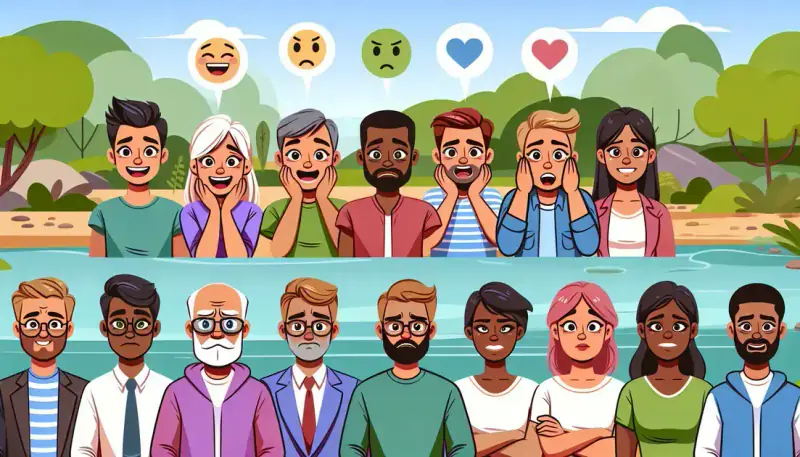
One common misconception about emotional maturity is that it means never feeling negative emotions. Many believe that emotionally mature people should always be happy and calm. However, everyone experiences a range of emotions, including sadness and anger. Emotionally mature individuals acknowledge these feelings and find healthy ways to express and manage them.
Another myth is that emotional maturity is the same as being passive. Some think emotionally mature people avoid conflict and always agree with others. In reality, emotional maturity allows for constructive disagreement. It means expressing opinions respectfully and finding solutions without resorting to anger or hurtful behavior.
Lastly, many believe that emotional maturity is fixed and cannot change. This is not true. Emotional maturity is an ongoing process. People can grow and develop emotional skills throughout their lives. With dedication and effort, anyone can work towards becoming more emotionally mature over time.
Assessing Your Own Emotional Maturity
Assessing your own emotional maturity starts with self-reflection. Take a moment to think about how you handle your emotions in various situations. Do you react quickly, or do you take a breath before responding? Understanding your emotional responses can help you identify areas where you can grow.
Another way to assess emotional maturity is by observing your relationships. Pay attention to how you communicate with others. Are you able to express your feelings openly without causing conflict? Do you listen to others and show empathy? Recognizing these aspects can give you insight into your emotional skills.
Lastly, consider seeking feedback from trusted friends or family members. They can provide an outside perspective on how you handle emotions and conflicts. Ask them if they feel you are open and supportive. Their opinions can help you understand your emotional maturity and guide you toward improvements.
Supporting Partners’ Emotional Growth
Supporting your partner’s emotional growth starts with being a good listener. When your partner shares their feelings, give them your full attention. Let them express themselves without interrupting or judging. This safe space allows them to explore their emotions, knowing you care about their thoughts and feelings.
Encouragement is also essential. Motivate your partner to pursue their interests and goals. Celebrate their achievements, big or small, and remind them that it’s okay to take risks. This support helps them grow more confident in themselves and their abilities.
Lastly, be patient with your partner’s emotional journey. Everyone grows at their own pace, and it’s important to understand that there will be ups and downs. Offer your support and love through the challenges, helping them to feel secure in their growth. Your presence can make a big difference in their emotional development.