
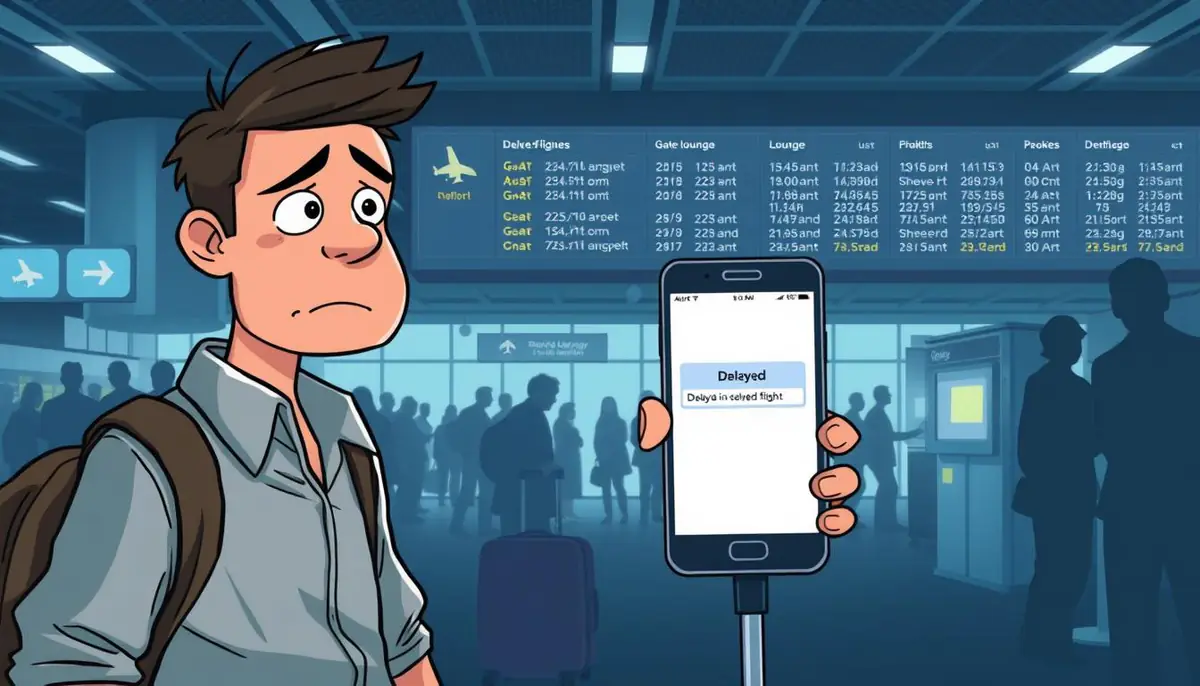
A travel itinerary buffer time plan matters when a late flight threatens a same-day reservation. A traveler who lands late may miss a dinner booking made across town. The flight delay can then disrupt the evening, even if every later plan stays on time.
Schedule padding is deliberately unbooked time between planned items that can absorb delays. It gives a traveler room to get from one commitment to another without rushing. A little open time can help prevent one late arrival from affecting the whole day.
That room matters for more than flight delays. Long drives, crowded stations, and missed connections can also shift a trip’s timing. When the next plan is hard to change, a tight schedule leaves few ways to recover.
Trip planning works best when the open time fits the plans around it. A flexible walk can move, while a reserved tour may not. The right amount depends on what comes next, how likely a delay is, and what alternatives remain.
How Much Travel Itinerary Buffer Time Should Travelers Add?
Travelers should protect the most consequential commitment first, then adjust the buffer for uncertainty and recovery options. A fixed reservation or rare departure deserves more room than an activity that can happen later. That choice makes itinerary flexibility practical, not just a loose idea.
Schedule padding should reflect the cost of arriving late, not a habit of adding the same amount everywhere. A short, familiar trip with several backup options may need less room. A long trip with one onward ride can need much more.
Protect the plans that are hardest to change
Some plans have a narrow window. A once-a-day train, a prepaid tour, or a dinner reservation may be hard to replace after a late arrival. Travelers should leave more room before these commitments than before a casual stop.
Flexible plans can absorb a delay. A park visit, open lunch period, or shop stop may shift without a fee or lost ticket. Placing these options near fixed plans gives the day a place to bend.
The mistake is using the same buffer for every transition. That treats a replaceable coffee stop like a final train of the day. The consequence of missing the next plan should guide the choice.
Adjust for the chance of delay and the options for recovery
A longer or less predictable journey calls for more room. Weather, multiple transfers, and busy roads can make arrival times less certain. Few backup options also raise the cost of a delay, so they support a larger buffer.
Before setting the gap, travelers can check four details:
- How fixed is the next plan?
- How variable is the journey?
- Are the tickets on separate bookings?
- Is there a realistic alternative if the trip runs late?
A separate booking can leave a traveler responsible for the next ticket if an earlier leg runs late. A useful buffer balances that risk against the time and options available. These choices help travelers set a sound starting point for flights and transfers.
How Should Travelers Buffer Flights and Transfers?
A traveler changing planes on separate tickets faces a special risk: a missed first flight may not protect the next booking. A self-transfer connects separate tickets, so travelers commonly plan at least four hours or an overnight gap. The best choice depends on the airport, baggage, immigration, and the cost of missing the next leg.
For same-ticket trips, a domestic layover commonly calls for about 1-2 hours, while an international layover commonly calls for about 2-3 hours. These are planning ranges, not guarantees. The connection allowed varies by airport and carrier.
| Scenario | Typical planning buffer | Best used when | Main risk |
|---|---|---|---|
| Same-ticket domestic connection | About 1-2 hours | One booking, domestic flight | Late arrival may shorten the connection |
| Same-ticket international connection | About 2-3 hours | One booking, international flight | Immigration or terminal change takes time |
| Self-transfer | At least 4 hours or overnight | Separate tickets, time to recheck | First delay may risk the next ticket |
Immigration, baggage collection, and terminal changes can all add time. Separate bookings need extra care because each airline may treat its ticket on its own. Travelers should also consider the cost and difficulty of replacing the next leg.
Ground transfers need room, too. Traffic, pickup arrangements, and time of day affect how long a ride takes. A traveler should not assume a short scheduled drive will take the same time in rush-hour traffic.
A pickup point can also add minutes if the driver and traveler must find each other. When a ride leads to a fixed departure, a late car can have a larger effect than a late stop with no booking. Once transport timing is set, the same planning idea applies to the less rigid transitions between activities.
How Can Travelers Protect Activity Plans From Running Late?
For nearby activities, travelers can generally allow about 15-30 minutes between plans for walking, restroom breaks, or small delays. A timed-entry activity needs room for travel and arrival before its fixed slot. Distance, queues, and local conditions can call for more time.
The listed start time is not the whole arrival plan. Someone going across town may need a longer activity buffer than someone walking next door. A queue at entry can also use up time before the activity begins.
Leave room around fixed-time activities
A timed-entry activity has a set arrival slot, so the traveler should plan to reach the venue before that time. The route, entry line, and time needed to find the entrance all matter. A reservation at a restaurant or show also needs an arrival margin.
Scheduling a timed activity immediately after an estimated arrival is a common mistake. A late train or a slow walk can leave no time to enter. A planned gap helps keep one delay from costing the booking.
When the venue sits across town, the travel time should reflect the actual route and likely queues. A map estimate is only one part of the trip. Travelers can avoid stacking a firm start time onto an uncertain arrival.
Keep flexible activities movable
A meal without a reservation, a walk, or an unscheduled stop can move when the day runs late. These plans work well as flexible space between fixed commitments. They can also be shortened or dropped without putting another booking at risk.
A traveler might visit a shop after a museum rather than before a timed tour. If the museum takes longer than expected, the shop can wait. That choice keeps the fixed arrival slot in view without turning every activity into a deadline.
Flexible plans are most useful when they are not tightly booked themselves. A meal with a strict seating time cannot absorb much of a delay. Once a disruption changes the day, travelers need a clear way to protect the plans that remain.
What Should Travelers Do When a Delay Disrupts the Itinerary?
A traveler who gets a delay notice while heading to a fixed reservation should act before the reservation time passes. First, confirm the new arrival or departure time, then contact anyone whose booking may be affected. Early updates can show which plans still fit and which need to move.
A delay can affect several bookings at once, but separate tickets and reservations may not adjust together. Travelers should check the terms of their own bookings instead of assuming one provider will change another booking. A self-transfer is a key exception to casual waiting: even while the first flight still operates, a delay can put the next ticket at risk.
A simple response sequence can keep the problem from spreading:
- Confirm the updated arrival or departure time.
- Contact the airline, transport provider, or reservation holder if a booking may be affected.
- Protect the next fixed or hard-to-replace commitment.
- Move or drop flexible plans before they add more pressure.
The updated time gives the traveler a clearer view of the day. A call or message can help establish whether a ride, meal, or ticket still works. The booking terms matter, especially when two legs sit on separate tickets.
Next, the traveler can decide which commitment has the greatest cost if missed. That may be a once-a-day ride, a prepaid activity, or an onward flight. Flexible plans should move first, before they force a rush toward a fixed booking.
When the delay affects a self-transfer, the next ticket can remain at risk even if the first flight still runs. The traveler should contact the next carrier or booking holder promptly. A useful plan needs both breathing room and a clear next action.
Conclusion
The most useful itinerary is not the most tightly packed one, but the one that can absorb a disruption. Travel itinerary buffer time should reflect the cost of a delay and the chance to recover. Flexible plans are easier to move than firm bookings.
A practical next step is to review the next trip’s fixed commitments. Add breathing room around the transitions most likely to affect them, rather than padding every gap the same way. Mark the hardest-to-change commitments first, then build the first buffer around those.