
Decision-Making Shortcuts: Practical Ways to Simplify Daily Choices
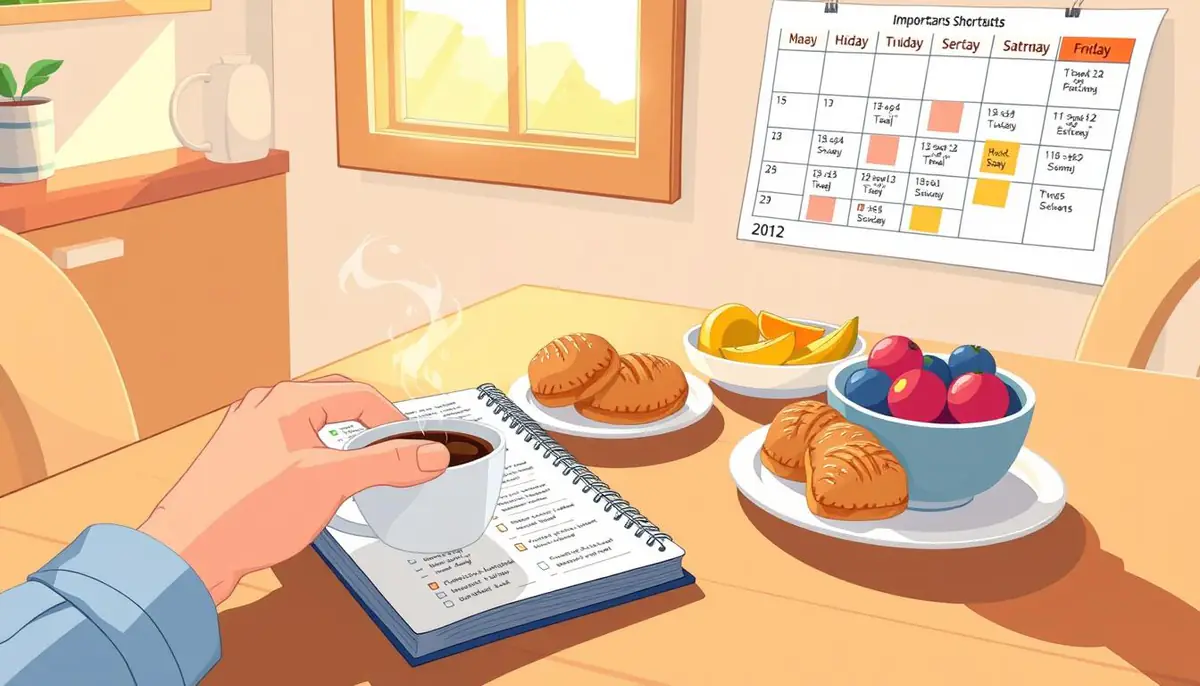
Choosing breakfast, clothes, and errands can take more energy than those small choices deserve; decision-making shortcuts can help. Repeatedly weighing a routine choice can use attention better spent on something consequential. A person may want that mental energy for a work problem, a family need, or a health decision.
A shortcut offers a usual path, not an automatic answer for every moment. A default rule is a preselected option used when the usual conditions apply. With a clear rule, a person can spend less time on familiar decisions and feel more confident about where to focus.
Daily choices still need judgment. A change in plans, needs, or risks can make the usual choice unsuitable. Useful shortcuts leave room to pause, weigh new facts, and choose another path. The best ones make the usual choice easy to spot and the reason to pause just as clear.
How Can Decision-Making Shortcuts Simplify Daily Choices?
A reliable shortcut gives a person a clear usual choice and a reason to pause when circumstances change. A good rule saves thought without blocking a better choice when the situation shifts. It should be easy to remember and fit conditions that come up often.
Useful shortcut criteria include whether the choice repeats, whether its result is easy to change, and whether a clear exception trigger exists. Low-consequence, reversible choices often suit a shortcut. High-stakes decisions with serious personal, financial, or health effects deserve deliberate thought.
Set a Clear Default Rule
A default rule works best when its usual conditions are plain. For example, a person might use it only on ordinary workdays, not during travel or illness. A short rule is easier to recall than one with many steps.
The rule should also be easy to change. A person can set a trial period or choose a rule that does not lock in a costly result. If the choice can be undone with little harm, the default can reduce repeated debate.
A shortcut is a poor fit when important facts remain uncertain or the result would be hard to reverse. A person should pause if a choice affects a major payment, care plan, or other lasting need. The rule is meant for familiar conditions, not for guessing through risk.
Name an Exception Trigger
An exception trigger is a condition that signals the usual choice may no longer fit. It gives a person a concrete reason to pause, rather than a vague sense that something feels different. The trigger can name a change in time, health, cost, or another key need.
Four questions can help test whether a shortcut fits:
- Does this choice recur?
- Are the consequences usually limited?
- Can the choice be changed if needed?
- Is there a clear exception trigger?
A “no” answer does not always rule out a shortcut, but it calls for care. A choice with uncertain conditions needs fresh attention. A choice that cannot be undone deserves more thought before the usual option takes over.
A person can use these questions to compare repeated choices and find ones that rarely need a new answer.
Which Daily Choices Are Best to Simplify?
A person who faces the same small choices most weekdays can start by noticing which ones rarely need a new answer. The best candidates are recurring choices that do not require fresh judgment each time. Meal planning, workday clothing, and errand planning may all offer useful starting points.
The examples below are not universal prescriptions. A household’s schedule, tastes, and needs can change what works. One common mistake is choosing a default that ignores another household member’s needs.
| Choice area | Sample default | When to revisit |
|---|---|---|
| Weekday breakfast | Keep two familiar options on hand | Dietary needs or schedule change |
| Workday clothing | Set out an outfit the night before | Weather or work requirements change |
| Errands | Group routine stops by location | An urgent or time-sensitive task arises |
These choices repeat, but each can change with a person’s real day. Two breakfast options may not suit a new dietary need. An outfit chosen at night may not match morning weather or a work requirement.
Errand planning can save extra trips when stops are near one another. A time-sensitive task changes the order, even if the usual route is efficient. The best candidates are those a person can handle with one familiar answer most of the time.
Once a person spots a few good candidates, the next step is placing their chosen defaults into a routine.
How Can They Build Defaults Into a Daily Routine?
Someone who sets out work clothes after dinner can remove one morning choice without changing the rest of the routine. An existing morning or evening cue can remind a person to use a selected default. The cue might be making coffee, packing a bag, or closing the kitchen.
A predictable change can fit into an if-then rule. For instance, a person can choose an indoor activity if weather disrupts an outdoor plan. The rule links one clear condition with an alternate choice, so the change does not require starting from scratch.
Anchor Defaults to Morning and Evening Cues
A cue works best when it already belongs to the day. A person might pair a choice with an evening task, such as charging a phone or setting an alarm. The existing habit makes the reminder easier to notice.
Morning cues can also help, especially when the choice must happen that day. A person might check the weather while preparing coffee, then follow the usual plan or its exception trigger. The cue should support the routine, not add a new chain of tasks.
Use If-Then Rules for Changing Situations
An if-then rule names what happens when a predictable variation appears. “If the outdoor plan is disrupted by weather, then choose an indoor activity” gives both the trigger and the next step. A person can write the rule in plain language and keep it near the cue.
Four steps can turn a selected choice into a usable routine:
- Write down one recurring choice.
- Choose a simple default.
- Name the exception trigger.
- Try the rule in the relevant routine and note friction.
Keeping the first version small makes it easier to spot what needs adjustment. One choice and one trigger are enough to test whether the routine works. Adding several rules at once can make it harder to tell which part creates friction.
After a rule becomes part of a routine, a person can watch for signs that it no longer fits.
When Should They Revisit a Shortcut?
A weekday meal default may stop working when a person’s schedule or needs change. A shortcut needs review when it no longer fits the conditions it was made for. New duties, tastes, and available options can all change the usual situation.
Repeated friction is another sign. A person may keep skipping the rule, feel rushed by it, or find that it creates extra work. A brief weekly check-in can help spot these changes, though it is a prompt, not a required schedule.
A simple review checklist can point to the reason for a change:
The usual situation has changed. The rule is being bypassed often. The choice now has greater consequences. Another person’s needs are not being met.
Any one of these signs can call for a pause. A person can adjust the usual choice, change its exception trigger, or stop using the rule. The right response depends on what changed and how much the choice now matters.
Changing priorities can turn a once-minor choice into a more serious one. A routine choice about time or spending may matter more after a job or family change. The shortcut should not keep directing that choice without fresh thought.
A consequential choice should not stay on autopilot simply because it was once routine. Health, financial, and personal choices may call for deliberate care when their stakes rise. Familiarity alone does not make the old rule safe.
Flexible routines allow a person to keep the parts that help and revise the parts that do not. A weekly check-in can be brief: note what worked, what caused friction, and whether the usual conditions still hold. That small pause helps keep a shortcut useful without treating it as permanent.
One practical next step can start the process without changing the whole day.
Conclusion
A person does not need to reorganize an entire day to make one routine choice easier. One clear default with a sensible exception trigger can be enough to begin. The aim is to save attention on a familiar choice while keeping judgment ready for changed conditions.
A useful first test is one repeated, low-consequence choice that comes up in the next routine. The person can try a simple rule, then notice whether it saves time or creates friction. A rule can stay small until experience shows what should change.
Choose one recurring choice and try a default rule the next time it comes up.