
Household Inventory Checklist: How to Keep Track of Everyday Essentials
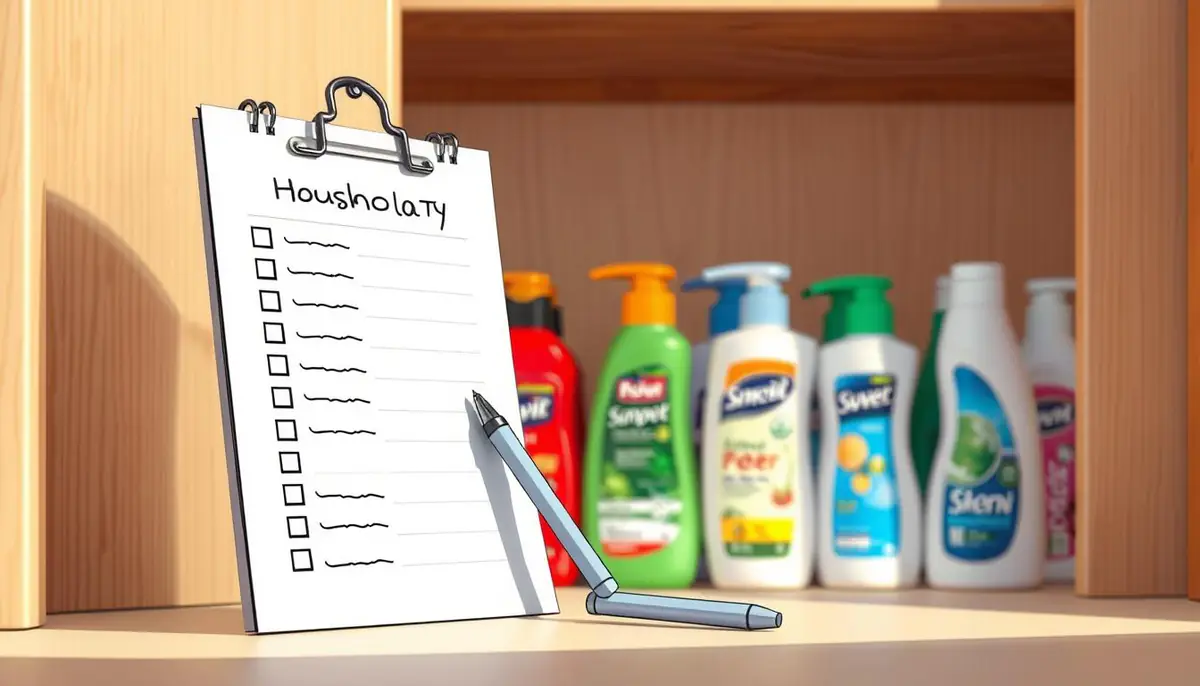
Someone buys a new bottle of shampoo, then finds an unopened backup in the hall closet. A household inventory checklist can help prevent that repeat purchase. It gives household members one place to see what is available before anyone shops. That view matters when several people use the same supplies but shop at different times.
Without a shared record, one person may see an empty bathroom shelf and buy more. Another person may already know about a backup in a different room. Supplies stored out of sight are easy to forget, even when they are easy to reach.
A current record also helps keep household routines on track. It can show whether there is enough soap, detergent, or food for the next few days. The aim is not to track every object in the home. It is to make daily shopping clearer for the people who share these supplies. The process starts by choosing which everyday essentials belong on the list.
Which Everyday Essentials Belong on the List?
The list should cover recurring essentials whose absence would affect a normal household routine. Track items that people use often, keep as backups, or need right away when they run out. A shared record is most helpful for supplies that different household members use or replace.
- Pantry staples: rice, pasta, cooking oil, and canned beans.
- Cleaning supplies: dish soap, laundry detergent, and surface cleaner.
- Paper goods: toilet paper, paper towels, and tissues.
- Personal care products: shampoo, toothpaste, soap, and deodorant.
These groups include many everyday essentials, but each household can narrow the list. A large family may use paper towels quickly, while another household may rarely keep them. Items that are used regularly, have a backup, or cause a disruption when missing are good choices.
Occasional purchases and one-off specialty items may not need tracking. A tool used once for a home project, for example, may not belong beside weekly supplies. Keeping the list focused makes it easier for household members to use.
A reorder point is the on-hand quantity at which a household adds an item to its shopping list. Households can set each reorder point later, based on actual use. Once the items are chosen, the next task is finding and counting them across the home.
How Should Supplies Be Organized Before Counting?
Before recording toilet paper, check both the bathroom cabinet and hall closet, then count the rolls together. Grouping supplies by storage location helps prevent missed stock and duplicate counts. A clear count gives household members a reliable starting point.
Group Items by Storage Area
Household supplies often sit in several rooms, so checking one product at a time can lead to extra trips. Instead, review one area at a time, such as the kitchen, each bathroom, and the laundry area. Other supply spots may include a utility closet, basement shelf, or garage cabinet.
Write down the storage location where each item belongs, even if the home has more than one stock spot. If a product is kept in two places, count both amounts, then record one total. That prevents a household member from counting the same bottle twice during a later check.
Record Usable Quantities and Units
Use one unit for each item so later counts match the first count. Toilet paper may be counted in rolls, while dish soap may be counted in bottles. A large food package could be tracked in ounces if its weight is marked on the label.
Count only stock that is usable. A nearly empty bottle may still count if it can serve its purpose, but an empty container does not. For partly used items, a household can use a simple rule, such as counting a bottle only when enough remains for another use.
Keep units consistent when an item comes in different sizes. If one detergent jug holds more than another, counting jugs alone may hide how much is available. The household can track ounces instead, or list each jug size separately. Once the count is organized, household members can choose a practical format for the checklist.
How to Build a Household Inventory Checklist
A useful checklist records what an item is, where it is, how it is counted, and when to buy more. Include the on-hand quantity and reorder point so the record supports a clear shopping choice. A household inventory checklist can work on paper or in a digital file.
Useful fields include item, category, storage location, unit, on-hand quantity, and reorder point. The item name identifies the supply, while its category helps group similar entries. A storage location points household members toward the right shelf or cabinet.
The unit shows how the amount is counted, such as rolls, bottles, or ounces. On-hand quantity means the amount available to use. The reorder point marks when the household adds that item to its shopping list.
The example entries below show how these fields can work together. The amounts are examples to customize, not standard household amounts.
| Item | Storage location | On hand | Restock at |
|---|---|---|---|
| Toilet paper | Hall closet | 8 rolls | 4 rolls |
| Dish soap | Kitchen sink cabinet | 1 bottle | 1 bottle |
| Laundry detergent | Laundry room | 1 jug | 1 jug |
| All-purpose cleaner | Utility closet | 2 bottles | 1 bottle |
A simple table can make low supplies stand out when someone checks the record before shopping. Categories can also help household members scan related items together. They can add a note for a size or brand when that detail matters.
Keep the list brief enough to update without much effort. Extra fields can help, but they should serve a clear use. Once stock is recorded, the household can decide when a low quantity should trigger a purchase.
When Should an Item Be Restocked?
A household can add detergent to its shopping list when the amount reaches its chosen trigger. The reorder point should leave enough supply for expected use before the next shopping trip, plus a suitable buffer. That trigger helps prevent a complete runout without forcing needless early buys.
Set a Reorder Point for Routine Supplies
To set a practical point, estimate how much the household uses between shopping trips. If a jug often lasts through several trips, the trigger can be lower than for a supply used each week. Add a buffer for delays or a busier-than-usual week.
The right amount depends on the household’s use, available storage, and how easily the item can be replaced. Faster use calls for a higher trigger. Limited storage or easy access to a nearby replacement can support a lower one.
Household members can learn from how often an item runs low. If detergent repeatedly runs out before the next shopping trip, raise its trigger. If several unopened jugs build up, lower it or use the stock before buying more.
Account for Perishables and Backup Stock
Stable items, such as paper goods, can often sit in storage for a long time. Food and products with an expiration date need closer attention. A household should avoid buying more than it can use while the item remains fresh.
Backup stock can help when a routine supply runs out, but it still takes space. A large minimum for bulky detergent may crowd a small laundry area. A lower trigger may fit better when storage is tight and replacement is easy.
Some products need a different rule from shelf-stable supplies. A household may track the open package separately from its backup, especially if the product expires after opening. After setting practical triggers, household members can choose a convenient way to maintain the record.
Which Tracking Method Fits the Household?
The best method is the one household members will reliably update and check. Choose ease of updating over elaborate features that no one uses. A basic method can work well when only one person handles shopping.
Shared households may need a record that several people can reach. A paper list works when it stays near a common spot, while a digital record can be easier to check away from home. An inventory spreadsheet can also hold the fields a household needs.
| Method | Setup | Shared access | Main limitation |
|---|---|---|---|
| Paper list | Quick to start | Requires a shared physical location | Can be misplaced |
| Spreadsheet | Requires initial setup | Can be shared digitally | Needs manual updates |
| Shared notes app | Quick to edit | Accessible to people with access to the note | May lack inventory-specific fields |
| Inventory app | Requires choosing and configuring an app | Sharing varies by app | Features and setup vary |
A paper list can be enough if one shopper keeps it in a known place. A spreadsheet may suit household members who already share files. A shared notes app offers quick edits, while an inventory app may provide fields built for stock tracking.
Each option needs regular updates to remain useful. A complex tool can become a burden if it takes too long to change a count. The best fit is the one that suits the household’s habits. A steady routine can keep any chosen method accurate.
How Can the Checklist Stay Accurate?
A checklist becomes unreliable when shopping changes are not entered. Update quantities after putting purchases away so the record matches what is actually available. A monthly review schedule offers a practical starting point for routine supplies.
Faster-moving essentials need more frequent checks than items used slowly. Low-stock alerts can help remind household members to check supplies before a shopping trip. A simple routine keeps the record close to the real amount on the shelf.
- Check for low-stock items before shopping.
- Update quantities after putting purchases away.
- Adjust reorder points when use or storage changes.
- Review the full list monthly, and check faster-moving essentials more often.
The household should update the record sooner after an unusually large gathering. A change in who lives there can also shift how quickly supplies run out. Those changes may make old counts or triggers less useful.
Household members can mark changes as they happen instead of waiting for the next review. A note on a shared list can alert the shopper that the last backup is gone. A quick check before shopping can catch a missed update.
The first step can be small: check one storage area and record a few frequently used essentials. That gives household members a clear starting point for a routine that fits their home.
Conclusion
A short, current record is more useful than an elaborate one that goes stale. A household can start small, then improve the list as its members learn what they use and where they keep it. The record does not need to cover every supply at once.
Choose one storage area and record several frequently used items. Keep the count simple and note where each item sits. Household members can add more supplies as the first entries become part of their shopping routine.
The next step is a small one: check that first storage area and make the first count.