
Meeting Preparation Techniques for More Productive Discussions
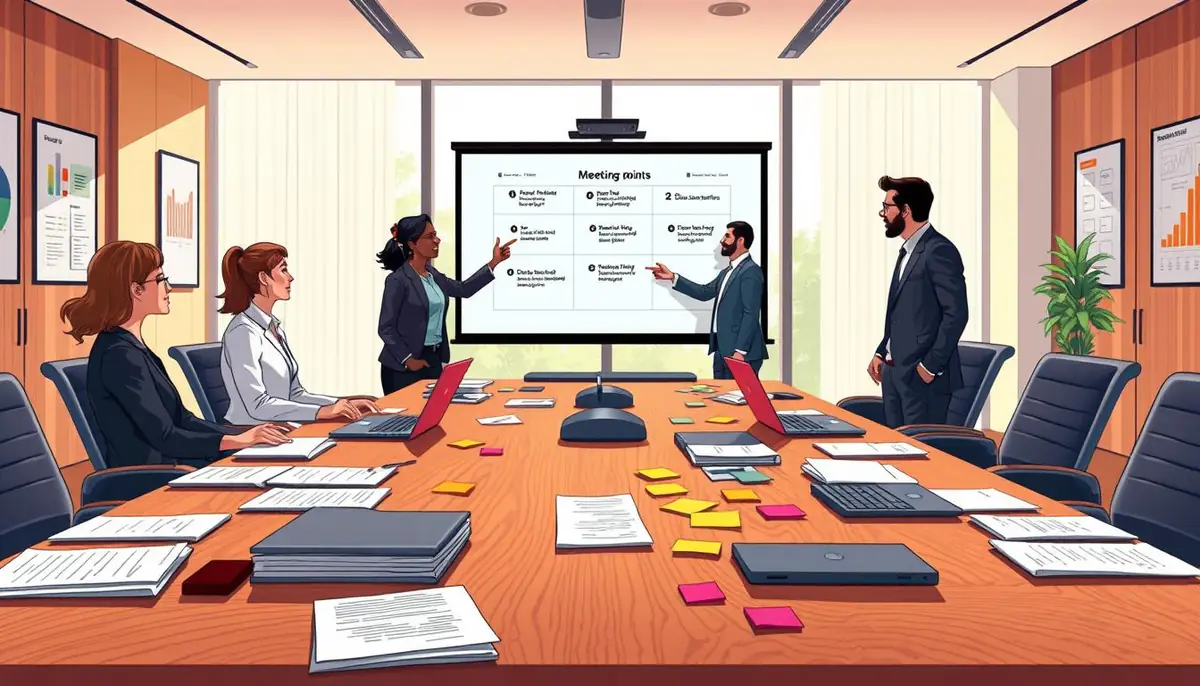
Many professionals feel tired from long office meetings. Learning good habits can make these hours useful for growth and new ideas.
This guide shows twelve key steps for valuable meetings. By preparing well before meetings, teams can make their time count and feel better.
Using these meeting tips helps leaders set clear goals and work together better. People will have more productive discussions and reliable follow-through. Success begins before the meeting invite is sent.
Define the Meeting’s Purpose and Desired Outcome
Before sending out invites, know why you’re meeting. A clear meeting purpose helps everyone know why they’re there. Without it, talks can go off track and waste time.
Setting a desired outcome early helps plan the agenda. It turns a vague idea into a focused meeting that adds value.
Identify the Decision, Problem, or Result the Meeting Must Address
Every meeting should tackle a specific issue or decision. Without a clear goal, it’s hard to make progress.
Distinguish Between an Information-Sharing Meeting and a Decision-Making Meeting
Not all meetings need the same effort. Know what you need to decide:
- Information-Sharing: These are for updates and training. They need clear, quick info.
- Decision-Making Meeting: These need deep thinking and agreement. They need more prep and clear roles.
Write a Specific Outcome Statement
A clear outcome statement guides the meeting. It keeps everyone focused on the goal.
Use a Clear “By the End of This Meeting” Standard
For productive meetings, define success clearly. This helps plan what needs to be done by the end.
| Vague Goal | Specific Outcome |
|---|---|
| Discuss marketing budget | Approve the Q3 marketing spend |
| Talk about software bugs | Assign owners to the top three critical bugs |
| Review project status | Agree on the final project launch date |
Decide Whether a Meeting Is the Right Format
Not every goal needs a meeting. Sharing data might be better in an email.
Think if you really need to meet. If not, save everyone’s time and cancel.
Meeting Preparation Techniques for Setting Clear Goals
Turning vague ideas into clear goals is key to a good meeting. If a leader doesn’t know what to talk about, the meeting can go off track. Setting clear meeting goals helps everyone know what success means by the end.
Turn Broad Intentions Into Measurable Meeting Goals
Goals like “discuss the project” don’t lead to real progress. Instead, aim for specific results like “approve the final budget” or “select a vendor.” This makes everyone ready with their thoughts and data before the meeting starts.
Limit the Agenda to the Most Important Objectives
It’s easy to add too much to the agenda. But, focus on the top two or three items that need everyone’s input. This way, the team can focus on the big decisions that really matter.
Separate Primary Goals From Secondary Discussion Topics
Not all topics need the same attention. Make it clear what’s most important by separating goals. Use emails or documents for updates, keeping the meeting for big decisions.
Connect Each Goal to a Required Decision or Next Action
Every agenda item should have a purpose. If there’s no clear decision or action, it might not belong in the meeting. This keeps the discussion focused and productive.
Check That Every Goal Can Be Addressed Within the Available Time
Even the best plans can fail if they’re too ambitious. Make sure your team can handle each goal in the time given. If not, consider splitting the agenda or narrowing the focus.
| Goal Type | Vague Approach | Measurable Approach |
|---|---|---|
| Project Status | Talk about project progress | Identify and resolve two project blockers |
| Budget Review | Review the budget | Approve the Q3 marketing spend |
| Team Strategy | Brainstorm new ideas | Select three initiatives for the next sprint |
Choose the Right Participants and Assign Their Roles
The quality of your discussion depends on who is there and what they do. When you pick the right meeting participants, you make decisions faster. Every voice adds value to the talk.
Invite People Who Bring Necessary Authority, Knowledge, or Context
Only invite those who can really impact the outcome. Look for people with the power to approve, deep technical knowledge, or important history.
Too many people slow things down and make it harder to focus. Keep the group small and focused to stay sharp and on track.
Remove Optional Attendees Who Do Not Need to Contribute
It’s easy to invite people out of habit or to keep them updated. But if someone doesn’t need to contribute or decide, they’re better off getting a summary later.
Removing optional attendees saves their time and keeps the meeting focused. This stops distractions and lets the main group move through the agenda quickly.
Assign a Facilitator, Note-Taker, and Decision Owner
Defining clear meeting roles keeps things organized and accountable. Without these roles, discussions can wander off or fail to produce results.
Clarify What Each Role Must Do Before, During, and After the Meeting
Each role needs specific preparation to work well. The facilitator guides, the note-taker records, and the decision owner makes sure the group decides.
| Role | Before | During | After |
|---|---|---|---|
| Facilitator | Review agenda | Manage time | Send summary |
| Note-Taker | Prepare template | Record decisions | Distribute notes |
| Decision Owner | Gather data | Make final call | Track progress |
Confirm Decision Rights Before the Discussion Begins
Debating who decides during the meeting wastes time. You must confirm decision rights before the meeting to know who has the power.
When everyone knows who decides, they can focus on sharing evidence. This makes the meeting professional and lets the best ideas shine.
Build an Agenda That Guides Productive Discussions
Turning a list of topics into a useful tool is key to teamwork. A good meeting agenda is like a map. It keeps everyone focused on what needs to be done. This way, teams can have better productive discussions and get things done.
List Topics in the Order They Need to Be Resolved
The order of a meeting is as important as what’s discussed. Start with the most important decisions first. This way, the big stuff gets done before it’s too late.
Give Every Agenda Item a Purpose and Time Allocation
Each topic should have a reason for being there. Knowing if it’s for sharing info, brainstorming, or making a decision helps everyone. Setting time limits keeps the meeting on track and moving.
Reserve Time for Questions, Deliberation, and Final Decisions
Make sure to leave time for deep thinking. Rushing to decisions can lead to mistakes. Strong facilitation means protecting these moments for well-informed decisions.
Use Action-Oriented Agenda Language
Using vague headings can lead to pointless talks. Active verbs help people come ready to contribute. This is a big part of good pre-meeting preparation.
Replace Vague Topics With Specific Prompts
Instead of “Budget,” say “Approve Q3 Marketing Budget.” This makes it clear what needs to be done. Specific prompts help keep the team on track.
Share the Agenda Early Enough for Participants to Prepare
Send out the plan early so people can prepare. This pre-meeting preparation is key to keeping the momentum. When everyone is ready, you can dive right into productive discussions.
| Agenda Element | Vague Approach | Action-Oriented Approach |
|---|---|---|
| Topic Heading | Project Update | Review Project Timeline and Risks |
| Purpose | Discuss status | Decide on launch date |
| Time Allotted | Open-ended | 15 Minutes |
| Outcome | None defined | Finalized project schedule |
Gather Information and Prepare Decision-Ready Materials
Having decision-ready information means everyone is ready to help. Good organizers make data easy to understand. This makes the meeting clear and focused.
Collect the Facts, Data, and Background the Group Will Need
Good meetings start with everyone knowing the facts. Get all important numbers and updates ready. This saves time and keeps the meeting on track.
Verify Sources, Assumptions, and Outdated Information
It’s important to check data sources and facts. Make sure your info is up-to-date. This stops bad decisions based on old or wrong data.
Summarize Complex Material Instead of Overloading Participants
Too much info can confuse people. Summarize reports to focus on key points. This keeps the meeting moving and respects everyone’s time.
Use Briefs, Charts, Comparisons, and Pre-Read Documents Effectively
Visuals and pre-read documents help a lot. A good chart can explain things faster than words. Giving these out early lets people understand at their own pace.
Prepare Options With Benefits, Risks, Costs, and Trade-Offs
Offer different choices, not just one. This lets everyone see the good and bad sides. It makes for a fair and informed decision.
| Option | Primary Benefit | Key Risk | Estimated Cost |
|---|---|---|---|
| Option A | High Growth | Market Volatility | Moderate |
| Option B | Cost Savings | Reduced Quality | Low |
| Option C | Innovation | Long Timeline | High |
Good meeting materials make meetings better. When everyone has the same info, making a decision is easier.
Send Pre-Meeting Instructions That Encourage Preparation
Clear instructions make your team ready for a great discussion. When everyone knows their role and the meeting’s goal, they come prepared. This way, every minute is used well.
Tell Participants Exactly What They Should Review
Send pre-read documents with clear instructions. Don’t overwhelm them with too much info. Highlight what’s most important for them to read.
Ask for Written Input Before the Meeting When Appropriate
Get feedback early to save time. This way, you can focus on deeper topics. It helps everyone get to the point faster.
Use Focused Questions to Produce More Useful Responses
Ask specific questions to get better answers. Open-ended questions make team members think deeply. This helps your meeting goals.
Set Expectations for Decisions, Discussion Norms, and Attendance
Be clear about what you want to achieve. Decide if you’ll make a decision or just brainstorm. Set rules for respectful talk to keep everyone focused.
Make Materials Accessible to Remote and In-Person Participants
For remote meetings, make sure everyone has the same info. Use a cloud-based spot for files. This way, everyone is on the same page.
| Preparation Method | Primary Benefit | Best Used For |
|---|---|---|
| Focused Pre-reads | Saves time | Complex data reviews |
| Written Surveys | Gathers diverse views | Brainstorming sessions |
| Agenda Outlines | Sets clear expectations | Decision-making meetings |
Prepare the Physical or Virtual Meeting Environment
Before the first person arrives, we need to get ready. A good setup helps us focus on the meeting goals, not problems.
Test Technology, Room Setup, and Presentation Materials
Reliability is key for a professional meeting. Whether it’s in a room or online, checking your gear saves time and stress.
Check Microphones, Cameras, Screens, Links, and Collaboration Tools
Modern virtual meeting technology needs a checklist. Here’s what to check before the meeting starts:
- Make sure all meeting links work for guests.
- Test audio and camera for clear views.
- Check screen sharing on different devices.
- Get ready for whiteboards or document sharing.
Choose a Space That Supports Attention and Participation
The space affects the group’s energy. A quiet, well-lit room helps focus. A clean digital space keeps everyone on track.
| Environment Type | Key Advantage | Preparation Focus |
|---|---|---|
| Physical Room | High engagement | Seating and acoustics |
| Virtual Platform | Global reach | Connectivity and tools |
| Hybrid Setup | Inclusive access | Audio-visual balance |
Plan for Remote Participation Without Creating a Two-Tier Discussion
For remote meetings, everyone should feel included. Don’t let some people talk more than others.
Use a moderator to help everyone be heard. This keeps the conversation fair for all.
Build in Contingencies for Technical or Scheduling Problems
Even with planning, things can go wrong. A backup plan helps the team stay on track.
Have a backup link for the meeting. If someone’s connection drops, have a plan B for their presentation.
Use a Structured Opening to Start With Focus
The first five minutes of a meeting are key. They set the tone for success or failure. Leaders make sure everyone knows the group’s goals right away.
Restate the Purpose, Desired Outcome, and Agenda
Start by saying why you’re all there. Restate the desired outcome to keep everyone focused. This keeps the talk on track.
Go over the agenda to keep everyone on the same page. Knowing the plan helps avoid off-topic talks. This makes everyone feel more secure.
Confirm Roles, Timing, and Decision-Making Authority
Know who does what, like taking notes. Knowing who makes decisions helps avoid confusion. This makes sure everyone knows their role.
Set time limits for each topic. This keeps things moving and shows respect for everyone’s time. It helps the leader keep things on track.
Establish Ground Rules for Respectful Participation
Set rules for how to behave. Encourage listening and make sure everyone gets a turn. These rules keep things orderly and focused.
Protect Psychological Safety and Make Space for Different Viewpoints
Psychological safety is key for new ideas. When people feel safe, they share more. This brings in different views without fear.
Make sure everyone gets a chance to speak. A safe space lets you look at problems from all sides. This leads to better solutions.
Invite Early Clarifications Before Detailed Discussion Begins
Ask for questions before you dive in. This stops problems later. It’s easier to fix things early than when things get busy.
Guide the Discussion Toward Decisions and Useful Contributions
Learning to lead a discussion facilitation is key. It helps teams go from vague ideas to real results. The leader guides the group, keeping the talk focused and useful.
This makes meetings productive and leads to real progress.
Keep Contributions Connected to the Agenda
Every comment should help the meeting’s goal. If someone goes off track, the leader should gently guide them back. This keeps the group on track and saves time.
Use Questions That Move the Group From Opinions to Evidence
Switching to an evidence-based discussion needs the right questions. Ask for data and facts instead of opinions. This makes the team’s decisions based on reality, not just guesses.
Ask for Examples, Assumptions, Risks, and Practical Implications
Ask deep questions to make the group think hard. For example, “What data supports this?” or “What are the practical implications?” These questions help everyone see the big picture.
Balance Participation Across Vocal and Quiet Attendees
A good meeting includes everyone’s ideas. If some people talk too much, make sure quiet ones get a chance. This way, everyone’s views are heard, avoiding groupthink.
Manage Interruptions, Side Conversations, and Repeated Points
Disruptions can mess up a meeting. If side talks start, bring them back to the main topic. If something is said twice, just acknowledge it and move on.
Record Unresolved Issues in a Visible Parking Lot
Not all topics can be solved right away. Put off-topic issues in a “parking lot” on a board or document. This keeps the main topic on track and shows everyone’s input is valued.
Recognize When the Group Has Enough Information to Decide
Knowing when to stop talking and decide is crucial. The group is ready when risks are clear and evidence is reviewed. At this point, the leader should call for a decision to end the meeting with a clear outcome.
Document Decisions and Assign Actionable Next Steps
What happens after a meeting is very important. Without clear notes, even great meetings can lose their impact. Effective documentation helps turn talks into real actions.
Capture Decisions, Rationale, and Important Dissent
Every big choice made in a meeting should be written down clearly. It’s good to note the decision, why it was made, and any disagreements. This helps avoid confusion and shows the thought behind the choice.
Convert Discussion Points Into Specific Action Items
General ideas need to become actionable next steps to happen. Turning big ideas into specific tasks helps everyone know what to do. This makes sure no important work is missed.
Assign One Owner, a Deadline, and a Definition of Done
Each task needs clear details. It should have one person in charge, a deadline, and what “done” means. This makes tracking meeting action items easier.
Confirm Commitments Before Participants Leave
The leader should check that everyone agrees on tasks before leaving. This makes sure no one is confused about their job. When people say they’ll do something, they’re more likely to.
Schedule Follow-Up Reviews for Open Issues and Dependencies
Some things need more time or depend on others. It’s smart to plan a follow-up meeting to check on them. This keeps them from being forgotten.
Distribute Accurate Meeting Minutes Promptly
The last step is to send out meeting minutes quickly. These notes should go out while the meeting is still fresh. This keeps everyone on the same page about what to do next.
- Review all recorded decisions for accuracy.
- Ensure every task has a clear owner and deadline.
- Share the summary with all stakeholders immediately.
Conclusion
Good teamwork needs a clear plan. This plan makes big goals real. Teams at places like Microsoft or Google can make meetings better.
It all starts with knowing what you want. And ends with writing it down. Each step helps everyone know their role. This makes meetings shorter and clearer.
This method makes your work life easier. It makes sure every talk has a reason. You won’t need to meet again because things get done right the first time.
Try these tips today to make your team better. Doing them often makes them easy. Your team will thank you for being organized and focused.