Mobile Game Progression Systems: How They Work
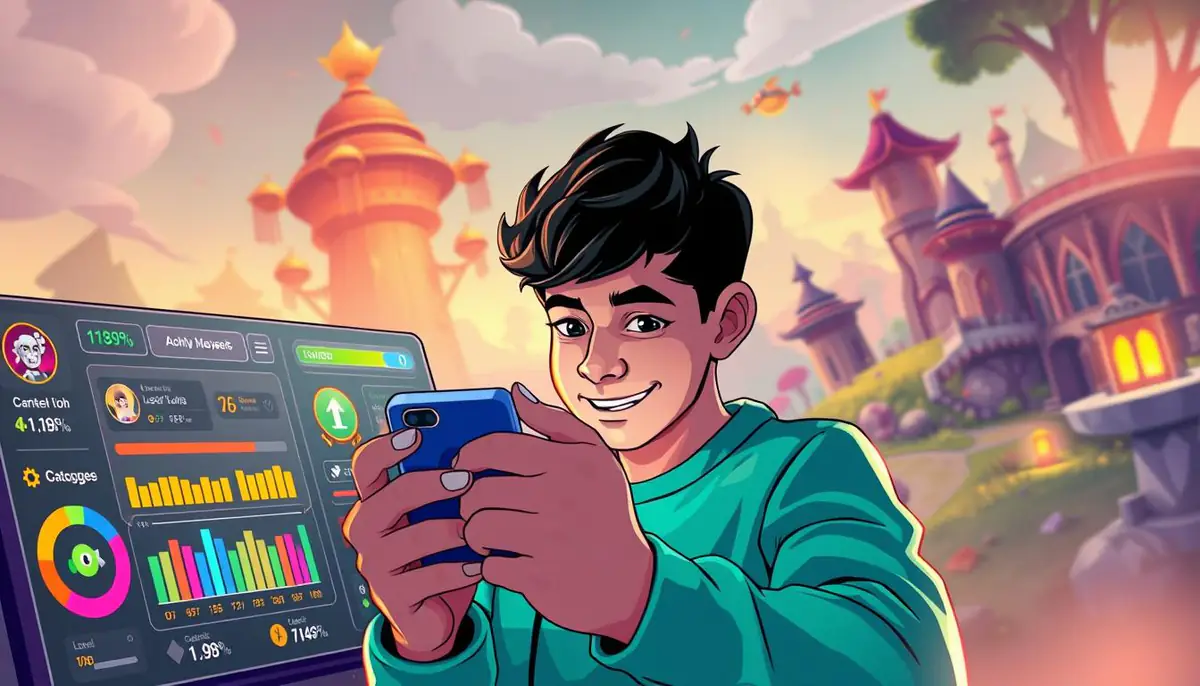
Ever wondered why some apps make you come back for hours? The answer often lies in mobile game progression systems. These systems make it easy to move forward, turning simple actions into a fun journey.
This guide will cover the basics of mobile game progression. We’ll look at six key areas. These include feedback loops, easy-to-follow guidance, leveling up, and rewards that matter. You’ll also learn about challenges and daily missions that keep things exciting.
Knowing how these systems work is key for developers and designers. By showing players how they’re growing and hitting milestones, you can keep them engaged. Whether you’re starting a new game or improving an old one, these tips will help make your game more exciting and keep players coming back.
Start by Identifying the Core Progression Loop
The heart of any addictive mobile game is a clear progression loop. This loop makes every action feel important and connected. When done right, it creates a smooth flow that makes games great.
Step One: Define the Player’s Main Objective
Every game progression system starts with a clear goal. This goal should be easy to understand from the start. It could be building a city or defeating a boss.
Without a clear goal, player progression feels lost and frustrating. Make sure the main goal is clear and reachable. This makes players feel they’re always moving towards something good.
Step Two: Map Actions, Rewards, and New Goals
After setting the main goal, map out actions and rewards. A good progression loop links actions to rewards that lead to new goals. This turns simple play into a cycle of effort and success.
How a Match, Mission, or Level Feeds the Next Activity
Each session should naturally lead to the next. For example, winning a match might give resources for character upgrades. These upgrades help tackle harder levels, creating a cycle of progress.
Why Visible Short-Term Goals Encourage Continued Play
Visible goals give immediate feedback, keeping players motivated. Break big goals into smaller tasks. This makes the game progression system feel doable. It prevents burnout and keeps players engaged.
| Loop Component | Primary Function | Player Benefit |
|---|---|---|
| Action | Core gameplay mechanics | Skill development |
| Reward | In-game currency or items | Sense of achievement |
| New Goal | Next level or challenge | Maintains interest |
| Feedback | Visual progress indicators | Clear direction |
By balancing these elements, your game design stays exciting. A well-structured loop is key to successful mobile game progression systems.
Understand How Mobile Game Progression Systems Guide Players
Effective mobile game progression systems guide players on their journey. They give clear signs of what to do next. This keeps players interested and avoids frustration from wandering aimlessly.
Step One: Separate Player Skill From Account Advancement
Good game design separates player skill from character growth. Player skill is about mastering game mechanics. Account advancement is about growing a character through a game leveling system.
When both paths exist, players feel a sense of mastery and rewards. A skilled player might beat a tough boss with low-level gear. A casual player can progress by upgrading stats. This makes player progression rewarding for all players.
Step Two: Connect Progress to Meaningful Unlocks
Players need to see the value of their hard work. Unlockable content gives them a reason to play every day. These rewards should feel earned and important to the game.
Power Progression, Cosmetic Progression, and Collection Progression
Progression falls into three main types. Power progression increases stats for harder challenges. Cosmetic progression lets players show off their style. Collection progression is about completing sets or getting rare items.
How Tutorials Teach Systems Without Overwhelming New Players
Tutorials should introduce systems slowly to avoid too much information. Successful games use “just-in-time” teaching. This means explaining a mechanic only when the player needs it for the first time.
| Progression Type | Primary Goal | Player Motivation |
|---|---|---|
| Power | Stat Increases | Overcoming Challenges |
| Cosmetic | Visual Customization | Self-Expression |
| Collection | Completing Sets | Completionism |
Step Three: Use Progress Bars and Milestones to Show Momentum
Visual indicators keep players interested over time. Progress bars show how close a player is to their goal. Milestones add to the sense of momentum, making the game exciting.
Build a Leveling System With Clear Rewards
A good game leveling system keeps players coming back. It shows players how to grow step by step. This makes every action feel important and meaningful.
Step One: Choose What Earns Experience Points
To make a strong XP system, decide what actions are worth points. Give experience points for main game activities. This encourages players to focus on the game’s core.
Give points for things like beating enemies, finishing quests, or exploring new places. Being clear about how to move forward makes players feel in charge.
Step Two: Set Level Requirements That Feel Predictable
Having steady level requirements keeps the game fair. Players should never feel cheated by sudden hard levels.
Early-Game Pacing for First-Time Players
Start fast and rewarding for new players. Quick wins help them learn and feel good about their progress.
Give levels often to keep the excitement up. This helps new players feel confident as they get better.
Later-Level Pacing for Long-Term Players
As players get higher, levels should take longer. This keeps the game challenging but rewarding for those who stick around.
Make long-term goals reachable but require effort. This keeps the game interesting for those who play a lot.
Step Three: Attach Useful Rewards to Each Milestone
The real joy of leveling up is the in-game rewards you get. Knowing a good reward is waiting keeps players playing.
New Characters, Abilities, Equipment, and Game Modes
Getting new stuff is a big motivator. Give players new characters, abilities, or equipment to keep things fresh.
Adding new game modes at certain levels can also make the game exciting again. This unlockable content grows with the player’s skills.
Cosmetic Rewards That Add Variety Without Increasing Power
Not all rewards have to change the game. Cosmetic items let players show off their style without affecting the game’s balance.
Things like skins, emotes, and banners add to the game’s look. These items are loved by the community and mark important milestones.
Design Rewards That Make Every Session Feel Valuable
Creating a good reward system is key to keeping players coming back. When players feel their time is valued, they stay active. A smart approach to in-game rewards makes every session feel rewarding.
Balance Immediate, Daily, and Long-Term Rewards
Good mobile game rewards meet different needs. Instant rewards keep players engaged in one session. Long-term goals encourage players to come back later. It’s important to balance these for lasting player engagement.
Daily rewards connect the short and long-term. They give a reason to log in, even with little time. This creates a rewarding and predictable rhythm.
Combine Guaranteed Rewards With Surprise Rewards
Daily Login Bonuses and Session Completion Rewards
Guaranteed rewards make players feel secure and fair. They know what they’ll get for their effort. Daily rewards like currency or energy refills help players stay consistent.
Random Drops, Chests, and Their Effect on Player Expectations
Surprise rewards add excitement. Random drops and chests make the game fresh. But, they must be balanced to avoid player frustration.
Prevent Rewards From Becoming Meaningless
Reward Variety, Inventory Limits, and Duplicate Items
A good reward system needs variety. Receiving the same items too often makes them less valuable. Using inventory limits or trading systems keeps rewards interesting.
How Reward Inflation Reduces Excitement
Too many high-tier items too soon causes reward inflation. When everything is easy to get, achievement feels lost. Developers should keep the best in-game rewards rare to keep players motivated.
| Reward Type | Frequency | Player Impact |
|---|---|---|
| Daily Login | High | Builds habit |
| Session Completion | Medium | Reinforces effort |
| Random Chests | Low | Creates excitement |
| Milestone Unlocks | Very Low | Provides long-term goal |
Use Challenges and Missions to Create Direction
A good challenge system shows players what to do each day. It turns random play into focused action. This makes the game exciting and new every time.
Game challenges are key to a strong game plan. They link simple steps to big goals. Players feel clear on what to do next, keeping them in the game.
Good game design needs clear goals. Developers who offer different tasks keep players coming back. These tasks give small victories that lead to the game’s big picture.
Try out different mission types to see what players like. Watch how these changes affect the game’s core. A smart approach makes every login feel special and worth it.