
Weekly Meal Rotation: How to Make Meal Planning Easier
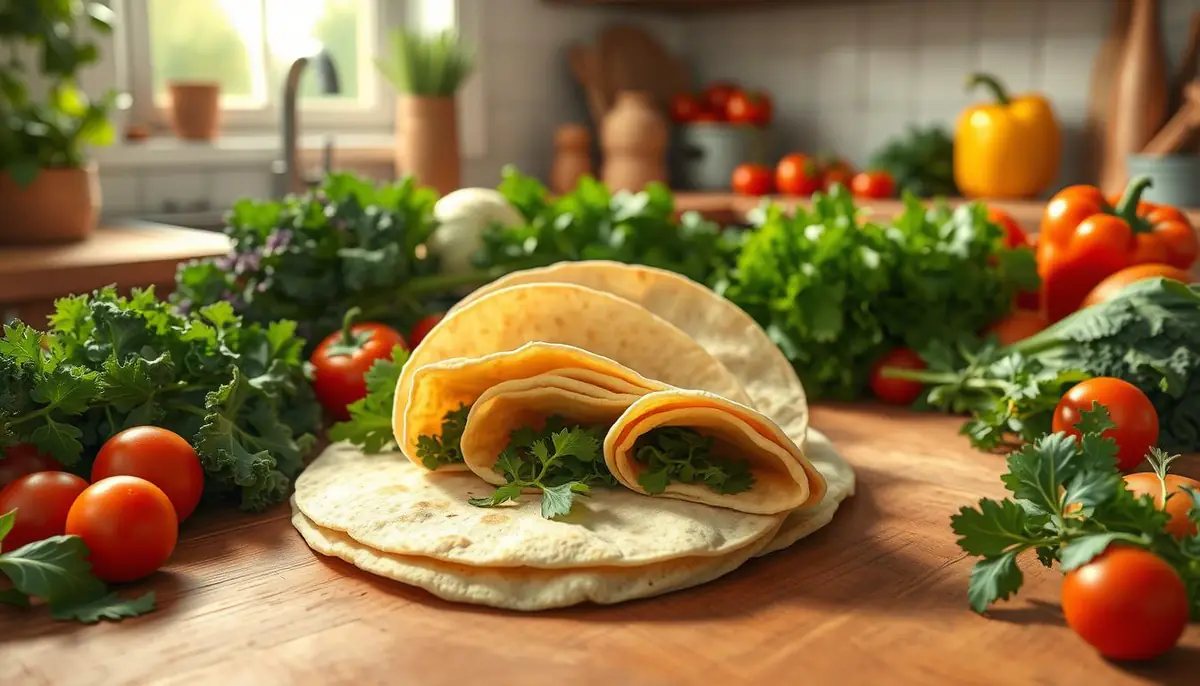
At 6:15 p.m., the fridge holds chicken, greens, and tortillas, but nobody has a shared dinner plan. One person suggests tacos; another wants something quick. The ingredients are ready, yet deciding what to cook feels like one more task after a long day.
A weekly meal rotation can ease that strain by making some choices familiar. It offers a guide, not a rule that every meal must be set in stone. A household can plan a few dinners and leave other meals open. That balance can cut decision fatigue without making dinner feel dull or tightly scheduled.
Meal choices also shape a household routine. When the same questions return every evening, even a simple meal can take time to agree on. A steadier approach makes it easier to share the work and use food already on hand. The solution starts with making meal decisions more predictable, and that predictability can help the whole week run more smoothly.
How Can a Weekly Meal Rotation Make Planning Easier?
A weekly meal rotation makes planning easier by reducing the number of fresh dinner decisions needed each week. Familiar meals give the household a dependable starting point without requiring the same ingredients every time.
An anchor meal is a familiar, repeatable dish that can be varied with different ingredients or sides. It might be a grain bowl with seasonal vegetables, or pasta served with different sauces. Repeating the basic idea saves decision-making effort while still allowing variety at the table.
That structure can apply to dinners alone. A household might rotate a few evening meals while leaving breakfast and lunch open. This keeps the plan focused on the meal that creates the most daily debate. Dinner planning can feel lighter when the household has a few known options to draw from.
A rotation is not useful if it adds pressure to people with highly unpredictable schedules. A fixed calendar can become another obligation when work shifts, travel, or late plans often change. The approach should match the household’s real habits, then lead into a rotation pattern that feels workable.
How Should a Household Choose a Rotation Pattern?
A household with late work shifts on Tuesdays and Thursdays can mark those busy nights before choosing any meals. The calendar should shape the rotation pattern, not a list of appealing dishes. Starting with the week’s limits helps keep the plan useful.
Start With Household Constraints
First, note which evenings leave little time to cook and which allow a slower meal. Check dietary needs and how often each person eats at home. A meal that suits one day may not suit another if a family member has practice or a late shift.
Choosing dishes before checking the calendar is a common mistake. It can leave a long-cooking meal on the busiest night or plan dinners for people who will be away. The household routine should also reflect who can cook and what family preferences matter most.
Choose What Repeats
Three common patterns give a household different levels of structure. A fixed weekly menu repeats each dish on the same day. Theme nights repeat a type of meal, while a meal-category pattern repeats only a broad kind of dish.
| Pattern | What Repeats | What Changes |
|---|---|---|
| Fixed weekly menu | The same dishes on the same days | Small ingredient or side changes |
| Theme-night pattern | The type of meal assigned to a day | The recipe within that theme |
| Meal-category pattern | A broad category of dish | The dish and its day |
A household might set a soup night, then choose a different soup each week. Another might plan one grain-based meal without fixing its day. It can start with the pattern that takes the least effort, rather than trying to design a perfect system. The chosen pattern can now guide an actual week of meals.
How Can a Household Turn the Pattern Into a Weekly Menu?
A quick pasta dinner may suit a busy Wednesday, while a longer-cooking soup can fit a quieter Sunday. A useful weekly menu places familiar meals on days that match the time and energy available.
Pick a Few Dinner Anchors
Start with a few anchor meals that household members already enjoy. Place them on days when they make sense, then leave room to change a recipe or side. These adaptable examples offer one way to fill a week:
- Sheet-pan chicken and vegetables
- Bean tacos
- Pasta with vegetables
- Soup with bread
- A leftover or flexible night
These are options, not required dishes. A household can swap in fish, lentils, rice bowls, or another meal it already knows how to make. Familiar choices also help people share cooking duties, since they do not need to learn a new recipe each night.
Leave Space for Change
A planned meal may stop fitting when a practice runs late or a work shift changes. Keep one flexible slot for leftovers, an easy pantry dinner, or food picked up on the way home. That space can prevent one missed dinner from making the whole menu feel unusable.
Vary ingredients or sides to keep repeat meals from feeling exactly alike. A household might change the vegetables on a sheet pan or serve tacos with beans one week and eggs another. The same anchor meal can work in more than one form.
Not every household needs to plan all seven dinners. People who often eat away from home can plan only the nights they expect to cook. Leaving unplanned space is part of a flexible menu, not a failure to plan.
Once the menu fits the week, its ingredients can shape a focused grocery list and a cooking routine that feels manageable.
How Can Shopping and Cooking Follow the Menu?
A weekly menu becomes easier to shop for when its ingredients are checked against what the household already has. That pantry and refrigerator check can prevent duplicate buys and help use food before it spoils.
Build a Grocery List From Planned Meals
A grocery list works best when it reflects the actual dishes and the food already in the kitchen. These steps keep grocery shopping tied to the weekly menu:
- Check the pantry and refrigerator.
- Note ingredients for each planned dish.
- Combine duplicate ingredients.
- Group items by store section.
- Flag perishables for the days they will be used.
For example, a menu with two meals that use onions needs one combined list entry. Marking greens for an early-week dinner can also help the household use them while they are fresh. Pantry staples such as oil, rice, or canned beans may already cover part of a recipe.
Prep Only What Makes the Week Easier
Meal prep can shorten a busy evening, but it does not need to fill a whole day. A small task is useful when it saves time later or helps a planned meal come together. The best choice depends on the meals ahead.
| Prep Option | Useful When | Example |
|---|---|---|
| Batch-cook a component | Several meals use the same base | Cook a pot of rice for planned dinners |
| Wash or chop produce | A busy night needs a shorter start | Wash greens or chop vegetables ahead |
| Set aside a backup meal | Plans may change | Keep ingredients for a quick pantry pasta |
| Cook extra intentionally | A later meal can use the same food | Set aside extra roasted vegetables |
Prep is optional, and the goal is not to fill every spare moment with kitchen work. Preparing ingredients with no planned use can waste time and food. A menu can make shopping and cooking more orderly, while small adjustments keep the routine useful over time.
What Should Change When the Rotation Stops Working?
A planned casserole that gets skipped three times may no longer fit the evening routine. Repeated leftovers, unused ingredients, or a dish that clashes with the schedule are signs to adjust the rotation.
Look for patterns instead of changing everything after one difficult night. A growing pile of leftovers may mean the household plans too much food or too many similar meals. Ingredients that keep going unused can point to a recipe that no longer suits family preferences.
Make one change at a time so the household can see what helps. Swap an unpopular meal for one people already like, or move a longer dish to a less crowded day. A fixed night can also become a flexible slot for leftovers or a quick meal.
A household with frequent travel or changing work shifts may do better with a short list of go-to meals than a fixed calendar. That list can offer options without assigning a dish to a day that may change. A leftover night can also help use food already cooked, if it fits the household’s habits.
Review the routine after the household has tried a change for a while. The rotation should reflect the household’s current routine, not an ideal week that rarely happens. A simple first step is to notice which meal caused the most friction this week.
Conclusion
The best starting rotation is one the household can actually follow. Familiar meals make planning easier, and open space helps the menu flex when schedules change. A useful meal planning routine can stay simple without repeating every dish in the same way.
For the coming week, the household can choose three dependable dinner anchors. It can pick meals people enjoy and place them on days that suit the schedule. The next step is to write those three dinner anchors into the household’s next weekly menu.