Micro-Learning Gamified Apps: Play to Learn and Succeed
Micro-learning gamified apps are changing how we learn every day! They blend entertainment and education to create engaging experiences. With quick and focused lessons, these apps make learning accessible and fun.
Gamification keeps users motivated by adding game-like elements to traditional learning. This innovative approach captures user attention and enhances knowledge retention.
Explore the fascinating world of micro-learning gamified apps to uncover the tips and tools that can elevate your learning journey. Keep reading to discover how these apps can transform your approach to acquiring new skills!
Understanding Micro-Learning
Micro-learning focuses on delivering content in small, easily digestible chunks. This method is different from traditional learning, where lengthy lessons can be overwhelming. With micro-learning, users can absorb information quickly and efficiently.
Gamified elements make micro-learning fun and engaging. Users interact with exercises, quizzes, and games that reinforce knowledge. This playful approach keeps learners motivated and helps to improve retention of key concepts.
Micro-learning is perfect for busy lives. Whether commuting or on a lunch break, learners can pick up their devices and engage with short lessons on a range of topics. It allows flexibility, making it easier to learn at one’s own pace.
Benefits of Gamification in Education
Gamification in education brings fun and excitement into the learning process. By turning lessons into games, students feel more motivated to participate. This exciting approach makes learning less stressful and more enjoyable.
One significant benefit is that gamification encourages students to take risks and try new things. When students earn points, badges, or rewards for their efforts, they are more likely to engage with the material. This playful competition can lead to better understanding and retention of information.
Moreover, gamified learning helps to foster teamwork and communication skills. Many educational games require students to work together to solve problems or complete challenges. This collaboration not only enhances their learning experience but also builds social skills that are valuable in everyday life.
Top Micro-Learning Gamified Apps
Some of the top micro-learning gamified apps include Duolingo, Kahoot!, and Quizlet. These apps turn learning into a fun game-like experience. Duolingo helps users learn new languages through quick lessons and challenges, making education feel effortless.
Kahoot! offers interactive quizzes that can be played in groups, perfect for classrooms or study groups. Students can compete with each other while learning, which boosts excitement and engagement. This social aspect of learning creates a sense of community.
Quizlet allows users to create flashcards for various subjects. With its gamified activities, students can test their knowledge through games and challenges. This helps reinforce what they learn and keeps them motivated to keep studying.
How to Choose the Right App
Choosing the right micro-learning gamified app involves understanding your goals. Start by asking yourself what you want to learn. If you are looking to learn a new language, an app like Duolingo might be perfect. For improving knowledge through quizzes, consider options like Kahoot! or Quizlet.
Next, think about the learning style that works best for you. Some apps focus on visual learning, while others may be more suited for auditory or hands-on experiences. Exploring the app features and trying out a few can help you see which fits your style best.
Another important factor is user reviews and ratings. Check what other users say about their experiences. Reading positive feedback can guide you to reliable apps that have helped others succeed in their learning journey.
Implementing Micro-Learning Strategies
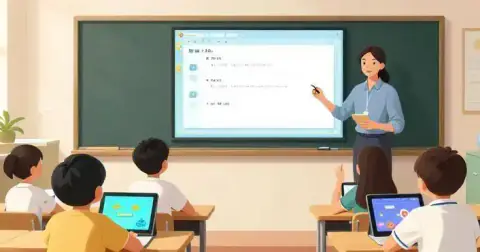
Implementing micro-learning strategies can boost engagement and retention in education. Start by breaking down larger topics into smaller, manageable lessons. Each lesson should focus on one key concept, making it easier for learners to grasp and remember the material.
Next, incorporate gamified elements into these micro-lessons. Use quizzes, challenges, and rewards to create a fun atmosphere. This approach keeps learners motivated to progress through the content while encouraging healthy competition.
Finally, consider the timing of your micro-learning sessions. Short learning bursts of 5 to 10 minutes are often more effective than longer durations. This method allows learners to fit education into their busy schedules without feeling overwhelmed, making learning both effective and enjoyable.
Success Stories in Gamified Learning
Many schools have seen great results by using gamified learning. For example, a middle school in California used a popular quiz app to review lessons. Students reported that they enjoyed learning through games, which made them eager to participate. As a result, test scores improved significantly over the school year.
Another successful case comes from a university that implemented gamified micro-learning in its programs. By integrating fun activities and challenges, students were able to understand complex subjects better. They formed study groups and motivated each other to complete lessons, leading to higher grades and overall satisfaction.
Finally, a corporate training program used gamified apps to improve employee skills. By making training interactive and engaging, workers found it easier to absorb the information. The company noticed an increase in productivity and job satisfaction, proving that gamified learning works even in professional settings.
Future Trends in Micro-Learning Apps
The future of micro-learning apps is bright as technology continues to advance. One trend is the increased use of artificial intelligence (AI) to personalize learning experiences. This means apps can adapt to each user’s needs and preferences, providing tailored content that helps them learn more effectively.
Another exciting trend is the integration of virtual and augmented reality (VR and AR) into micro-learning. These technologies can make lessons more immersive and interactive. For instance, learners might explore historical events or scientific concepts in a virtual environment, making education more engaging and memorable.
Lastly, social learning features are expected to grow in popularity. As students connect with peers through gamified elements, they can share insights and learn together. This collaborative approach not only enhances learning but also builds a community of learners who support each other.
Tips to Get the Most Out of Micro-Learning Gamified Apps
To truly benefit from micro-learning gamified apps, consistency is key. Instead of using the app only occasionally, try to make it part of your daily routine. Even a few minutes a day can lead to noticeable progress over time.
Another important tip is to set clear and realistic goals. Whether it’s completing one lesson per day or earning a certain number of points each week, having small objectives keeps motivation high. Gamified rewards work best when paired with personal milestones.
Finally, avoid using multiple apps at the same time for the same goal. Switching too often can break focus and reduce results. Choose one app that fits your learning style and stick with it long enough to see real improvements.